
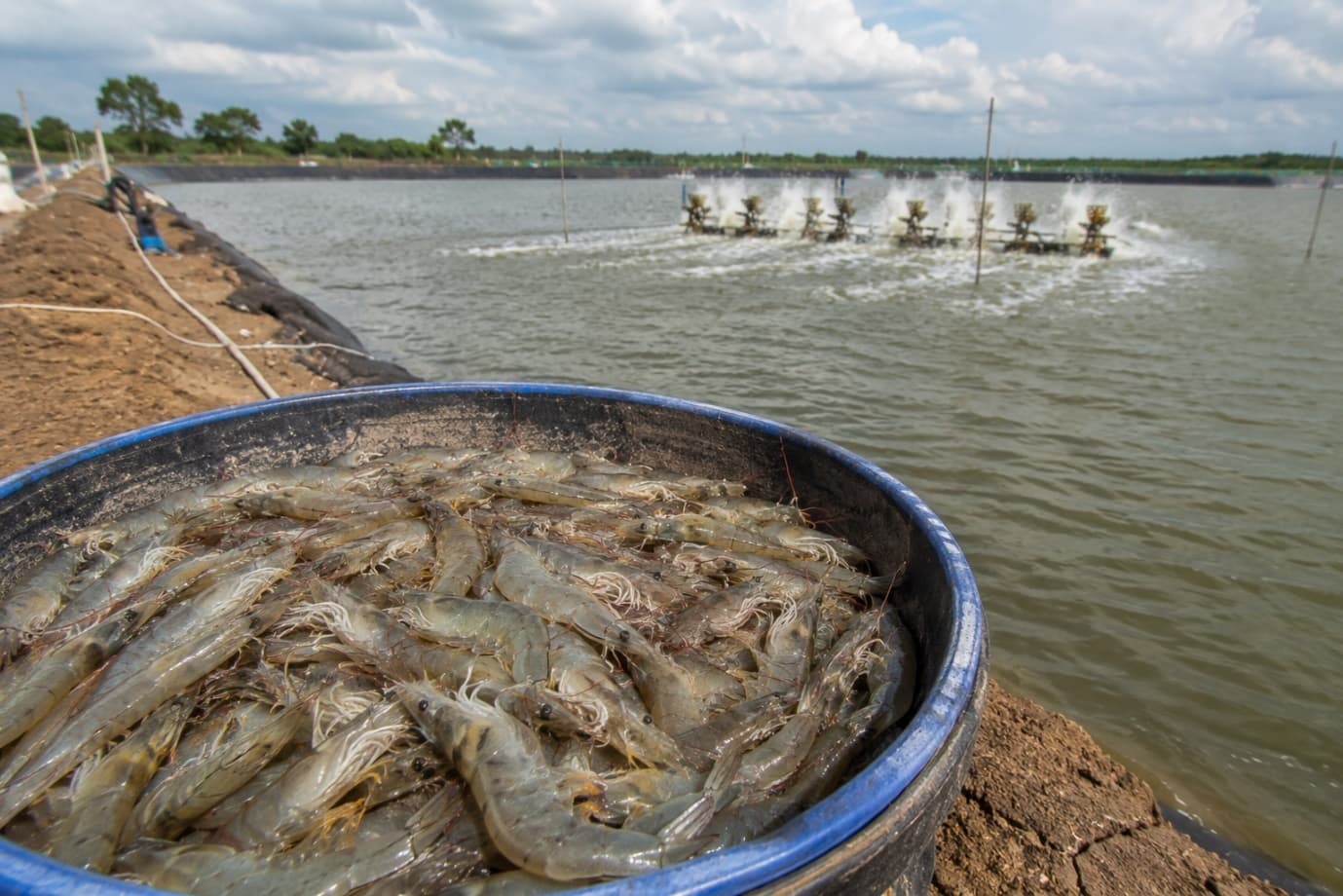
Vannamei shrimp farming has transformed India's aquaculture industry over the past two decades. Today, Vannamei shrimp, also known as Pacific White Shrimp (Litopenaeus vannamei), is the most widely cultivated shrimp species in the country because of its fast growth, excellent survival rate, high market demand, and strong export value.
India has become one of the world's leading producers of Vannamei shrimp, with Andhra Pradesh, Gujarat, Odisha, Tamil Nadu, and West Bengal accounting for a large share of production. However, successful shrimp farming requires much more than simply stocking shrimp seed into a pond. Every stage—from pond preparation and water management to feeding and harvest—plays an important role in determining the success of the crop.
If you are wondering how to start Vannamei shrimp farming, this guide explains every major step involved in producing a healthy and profitable crop.
Choosing the Right Farm Site
The first step in successful Vannamei shrimp farming in India is selecting a suitable location.
The farm should have access to a reliable water source, electricity, good road connectivity, and soil capable of holding water efficiently. Clay or clay-loam soils are generally preferred because they reduce seepage and provide better pond stability.
Before beginning construction, farmers should also ensure that the farm complies with government regulations and obtains the necessary approvals from the relevant authorities.
A well-planned farm layout makes daily management easier and reduces future operational costs.
Shrimp Pond Preparation for Beginners
Proper pond preparation is one of the most important steps in shrimp farming from pond preparation to harvest.
Many crop failures begin with poor pond preparation.
After harvesting the previous crop, ponds should be completely drained and allowed to dry. Excess sludge and organic waste should be removed from the pond bottom to reduce the risk of harmful bacteria and disease.
If necessary, agricultural lime may be applied to improve soil quality and stabilize pH. Pond embankments, inlet structures, outlet gates, and aerators should be inspected and repaired before filling the pond.
Water should be filtered before entering the pond to prevent unwanted fish, crabs, predators, and disease carriers from entering the culture system.
For anyone looking for shrimp pond preparation for beginners, careful cleaning and biosecurity are the foundation of a successful crop.
Selecting Healthy Shrimp Seed
The quality of shrimp seed largely determines the success of the entire production cycle.
Farmers should always purchase Specific Pathogen Free (SPF) post-larvae from certified hatcheries with a good reputation.
Healthy seed should show active swimming behavior, uniform size, and good survival during stress testing.
Stocking poor-quality seed may increase the risk of disease outbreaks, slow growth, and lower harvest yields.
Investing in quality seed is one of the most effective ways to improve profitability.
Best Stocking Density for Vannamei Shrimp
One of the most common questions farmers ask is about the best stocking density for Vannamei shrimp.
The ideal stocking density depends on pond size, aeration capacity, water exchange, management practices, and farming intensity.
Lower stocking densities generally reduce stress and improve survival, while higher stocking densities require stronger aeration, better water quality management, and closer monitoring.
Farmers should avoid overstocking, as excessive densities can increase competition for oxygen, reduce water quality, slow growth, and raise the risk of disease.
Choosing the right stocking density is a balance between maximizing production and maintaining a healthy pond environment.
Water Quality Management for Shrimp Farming
Successful shrimp production depends heavily on water quality management for shrimp farming.
Unlike land animals, shrimp live continuously in the same water that provides oxygen, carries nutrients, and removes waste. Any sudden change in water quality can affect feeding, growth, immunity, and survival.
Farmers should regularly monitor important water quality parameters such as:
- pH
- Dissolved oxygen (DO)
- Temperature
- Salinity
- Alkalinity
- Ammonia
- Nitrite
Maintaining stable water quality reduces stress and supports healthy shrimp growth throughout the culture period.
Routine water testing allows farmers to identify problems early before they affect production.
Shrimp Feeding Schedule in India
Feed is the largest operating cost in most shrimp farms, often accounting for more than half of the total production cost.
Following a proper shrimp feeding schedule in India is essential for achieving good growth while minimizing feed waste.
Young shrimp require smaller quantities of feed several times a day, while larger shrimp consume greater amounts as they grow. Feeding rates should be adjusted regularly based on shrimp size, biomass estimation, weather conditions, and feed tray observations.
Overfeeding not only wastes money but also increases organic waste in the pond, leading to poor water quality and higher disease risk.
Careful feed management improves both growth performance and farm profitability.
Health Monitoring and Disease Prevention
Disease prevention is always more effective than disease treatment.
Farmers should inspect shrimp regularly for feeding activity, swimming behavior, growth rate, survival, and general health.
Good biosecurity practices include:
- Restricting unnecessary pond access.
- Disinfecting equipment.
- Using healthy seed.
- Maintaining good water quality.
- Removing dead shrimp promptly.
- Preventing the entry of wild animals and birds.
Regular pond observations allow farmers to detect early warning signs before disease spreads throughout the crop.
Healthy shrimp grow faster and produce better harvest results.
Profitable Shrimp Farming Techniques
Several management practices contribute to profitable shrimp farming techniques.
Farmers who consistently achieve good production generally focus on:
- High-quality SPF seed.
- Proper pond preparation.
- Regular water quality monitoring.
- Balanced feeding.
- Strong aeration.
- Biosecurity.
- Accurate record keeping.
- Timely health checks.
Successful shrimp farming is not based on a single factor but on maintaining consistency throughout the entire production cycle.
Small improvements made every day often produce significant financial benefits at harvest.
Shrimp Harvest Management Guide
Harvest is the final and most rewarding stage of the farming cycle.
A proper shrimp harvest management guide begins with determining the right harvest time based on shrimp size, market demand, and current prices.
Before harvest, farmers should communicate with buyers or processors regarding required sizes and delivery schedules.
During harvesting, shrimp should be handled carefully to minimize physical damage. Immediate washing with clean water and rapid icing help preserve freshness and maintain product quality.
Proper harvesting practices ensure shrimp reach processing plants in excellent condition, maximizing both quality and market value.
Conclusion
Vannamei shrimp farming has become one of the most profitable sectors of Indian aquaculture, but success requires careful planning and disciplined farm management.
From selecting a suitable site and preparing the pond to stocking healthy seed, maintaining excellent water quality, following a balanced feeding schedule, and harvesting at the right time, every stage influences the final outcome.
Farmers who understand the complete production cycle are better prepared to manage challenges, improve survival, increase productivity, and maximize profitability.
As technology, biosecurity, and farming practices continue to improve, Vannamei shrimp farming in India is expected to remain a key driver of the country's aquaculture industry. By following scientifically proven management practices and continuously monitoring pond conditions, farmers can build sustainable and profitable shrimp farming businesses for years to come.


