
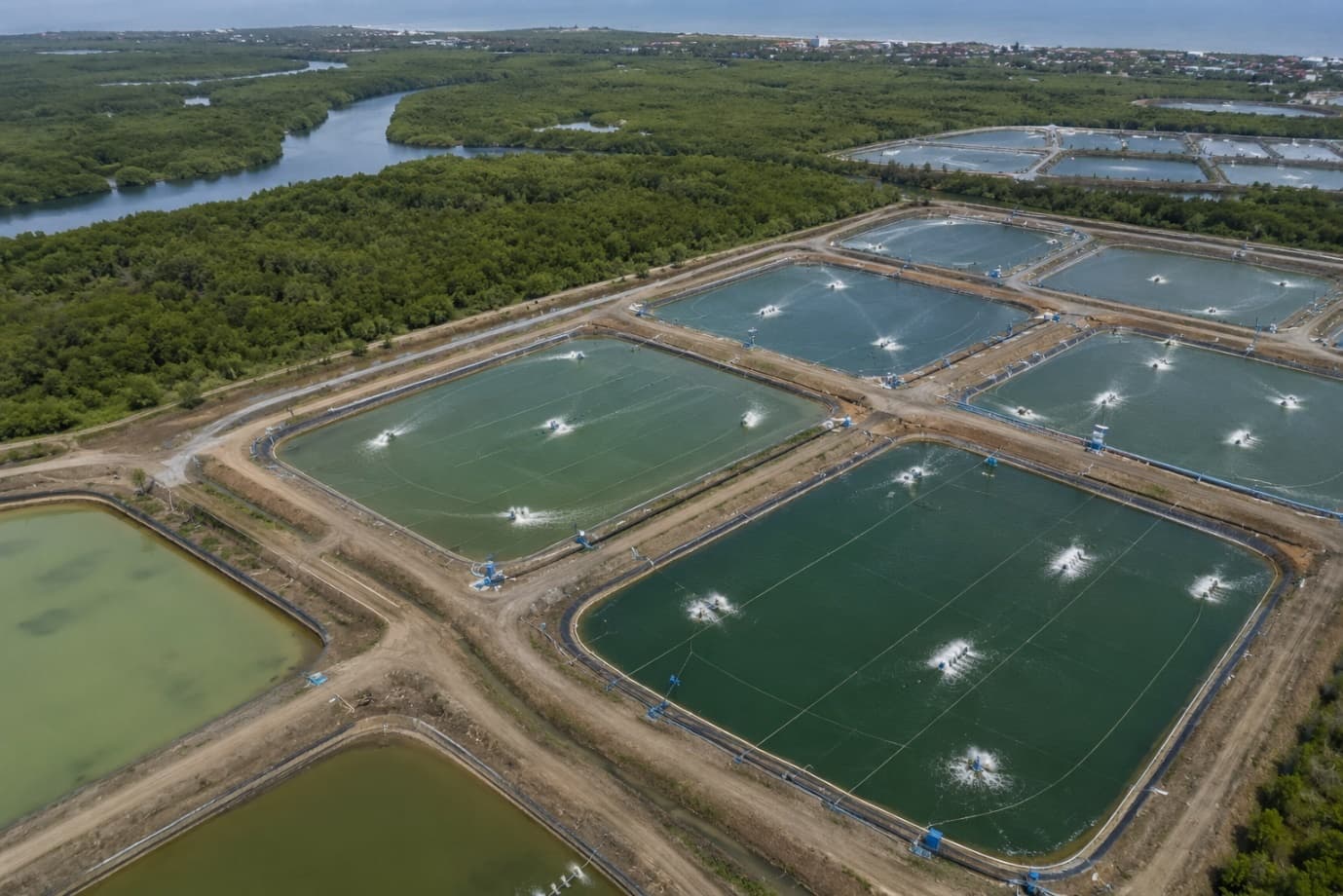
India has become one of the world's leading producers and exporters of farmed shrimp, supplying high-quality seafood to more than 100 countries. As the industry continues to expand, an important question is becoming increasingly relevant: Can India produce more shrimp while protecting the environment?
The answer lies in sustainable shrimp farming.
Modern shrimp farming is no longer focused only on increasing production. Today, farmers, researchers, governments, and seafood companies are working together to improve productivity while conserving natural resources, protecting ecosystems, and ensuring long-term profitability.
A sustainable approach benefits not only the environment but also farmers, consumers, and the future of India's aquaculture industry.
What Is Sustainable Shrimp Farming?
Sustainable shrimp farming means producing shrimp in a way that balances economic growth with environmental responsibility and social well-being.
The goal is to produce healthy shrimp while minimizing environmental impacts such as water pollution, excessive resource use, habitat degradation, and waste generation.
Sustainable farming also focuses on maintaining good water quality, responsible feed management, disease prevention, animal welfare, and efficient use of natural resources.
Rather than producing more shrimp at any cost, sustainable farming aims to produce more shrimp in a smarter and more responsible way.
Why Sustainability Matters
The shrimp industry depends entirely on healthy natural resources.
Clean water, suitable soil, stable weather, and healthy ecosystems are essential for successful shrimp farming.
If these resources are not protected, future production becomes increasingly difficult.
Climate change, water scarcity, rising temperatures, and extreme weather events are already affecting aquaculture around the world.
Adopting sustainable aquaculture practices helps farmers become more resilient while protecting the environment for future generations.
Sustainability is no longer simply an environmental issue—it is also a business necessity.
Sustainable Shrimp Farming Practices
Several sustainable shrimp farming practices are already being adopted across India.
These include:
- Proper pond preparation.
- Responsible water management.
- Efficient feed utilization.
- Regular water quality monitoring.
- Disease prevention through biosecurity.
- Responsible waste management.
- Energy-efficient aeration.
- Careful stocking density management.
- Scientific farm planning.
These practices improve production efficiency while reducing unnecessary environmental impacts.
Good farm management often benefits both profitability and sustainability at the same time.
Water Conservation in Shrimp Farming
Water is one of the most valuable resources in aquaculture.
Effective water conservation in shrimp farming has become increasingly important as freshwater availability becomes more limited in many regions.
Modern shrimp farms reduce unnecessary water exchange by maintaining stable pond conditions through regular monitoring and proper management.
Improving water quality within ponds reduces the need for frequent water replacement.
Some farms also recycle or treat water before reuse, reducing pressure on surrounding water resources.
Efficient water management not only protects the environment but also lowers production costs.
Responsible Aquaculture Methods
Successful shrimp farming depends on following responsible aquaculture methods throughout the production cycle.
These include:
- Using Specific Pathogen Free (SPF) shrimp seed.
- Maintaining good biosecurity.
- Preventing disease through water quality management.
- Avoiding overfeeding.
- Monitoring pond health daily.
- Following science-based farm management practices.
Responsible farming reduces production risks while improving shrimp health and survival.
It also minimizes the need for emergency interventions that may negatively affect the farming environment.
Eco-Friendly Shrimp Farming in India
Eco-friendly shrimp farming in India is becoming more common as farmers adopt modern technologies and better management practices.
Many farms now use:
- Water quality sensors.
- Automatic feeders.
- Precision feeding.
- Aeration management.
- Biosecurity systems.
- Digital farm monitoring.
These technologies improve feed efficiency, reduce waste, conserve resources, and support healthier pond ecosystems.
Eco-friendly farming also helps farmers improve productivity while meeting increasing consumer demand for responsibly produced seafood.
Climate-Smart Shrimp Farming
Climate change presents new challenges for aquaculture.
Changing rainfall patterns, rising temperatures, cyclones, floods, and salinity fluctuations all affect shrimp production.
Climate-smart shrimp farming focuses on helping farms adapt to these changing conditions.
Some climate-smart approaches include:
- Better water storage.
- Improved drainage systems.
- Weather forecasting.
- Efficient aeration.
- Heat stress management.
- Emergency farm planning.
- Climate-resilient infrastructure.
Preparing for climate-related risks helps farmers reduce losses while improving long-term sustainability.
Shrimp Farm Certification in India
As global consumers become more concerned about food production, shrimp farm certification in India is becoming increasingly important.
Certification programmes encourage responsible farming practices related to:
- Environmental management.
- Food safety.
- Animal health.
- Worker welfare.
- Traceability.
- Product quality.
Certified farms often gain greater access to international markets where buyers increasingly prefer responsibly produced seafood.
Certification also encourages continuous improvement in farming practices.
Sustainable Seafood Production
Consumers today want food that is not only healthy but also responsibly produced.
Sustainable seafood production ensures that seafood is grown while protecting natural ecosystems and supporting long-term food security.
Sustainable production benefits everyone:
- Farmers improve efficiency.
- Consumers receive safe, high-quality seafood.
- Exporters strengthen international competitiveness.
- Natural resources remain protected.
- Future generations benefit from healthier ecosystems.
This balance between production and conservation is becoming one of the defining goals of modern aquaculture.
How to Reduce Environmental Impact in Shrimp Farming
Many farmers ask how to reduce environmental impact in shrimp farming without reducing productivity.
The answer lies in better management rather than producing less.
Important approaches include:
- Preventing feed waste.
- Maintaining stable water quality.
- Managing sludge responsibly.
- Using energy-efficient equipment.
- Conserving water.
- Following appropriate stocking densities.
- Protecting surrounding ecosystems.
- Strengthening biosecurity.
- Using modern monitoring technologies.
Small improvements in daily management often produce significant environmental benefits over time.
Best Practices for Sustainable Aquaculture
The best practices for sustainable aquaculture combine science, technology, and responsible management.
Successful farms focus on:
- Healthy SPF seed.
- Good pond preparation.
- Daily water quality monitoring.
- Balanced feeding.
- Efficient aeration.
- Disease prevention.
- Responsible harvesting.
- Continuous farmer education.
- Accurate record keeping.
Sustainability is not achieved through one single practice but through consistent management across the entire farming cycle.
The Future of Sustainable Shrimp Farming
The future of sustainable shrimp farming is closely linked with innovation.
Artificial intelligence, water quality sensors, automated feeders, digital farm management systems, precision aquaculture, renewable energy, and improved genetics are expected to make shrimp farming more efficient and environmentally responsible.
Consumers around the world are increasingly choosing seafood produced through sustainable methods.
As international standards continue to evolve, responsible farming will become an important competitive advantage for India's shrimp industry.
Sustainability will help ensure that shrimp farming remains profitable while protecting natural resources for future generations.
Conclusion
India has already established itself as one of the world's leading shrimp producers, but future growth must be both productive and responsible.
Sustainable shrimp farming offers a path where farmers can increase production while protecting water resources, improving farm efficiency, reducing environmental impacts, and strengthening long-term profitability.
By adopting responsible aquaculture methods, improving water conservation in shrimp farming, embracing climate-smart shrimp farming, and investing in modern technology, India can continue to lead the global shrimp industry while preserving the natural resources on which aquaculture depends.
The future of shrimp farming is not simply about producing more seafood—it is about producing it more responsibly. Sustainable farming will ensure that India's shrimp industry continues to grow while supporting healthy ecosystems, thriving farming communities, and safe, nutritious seafood for consumers around the world.


