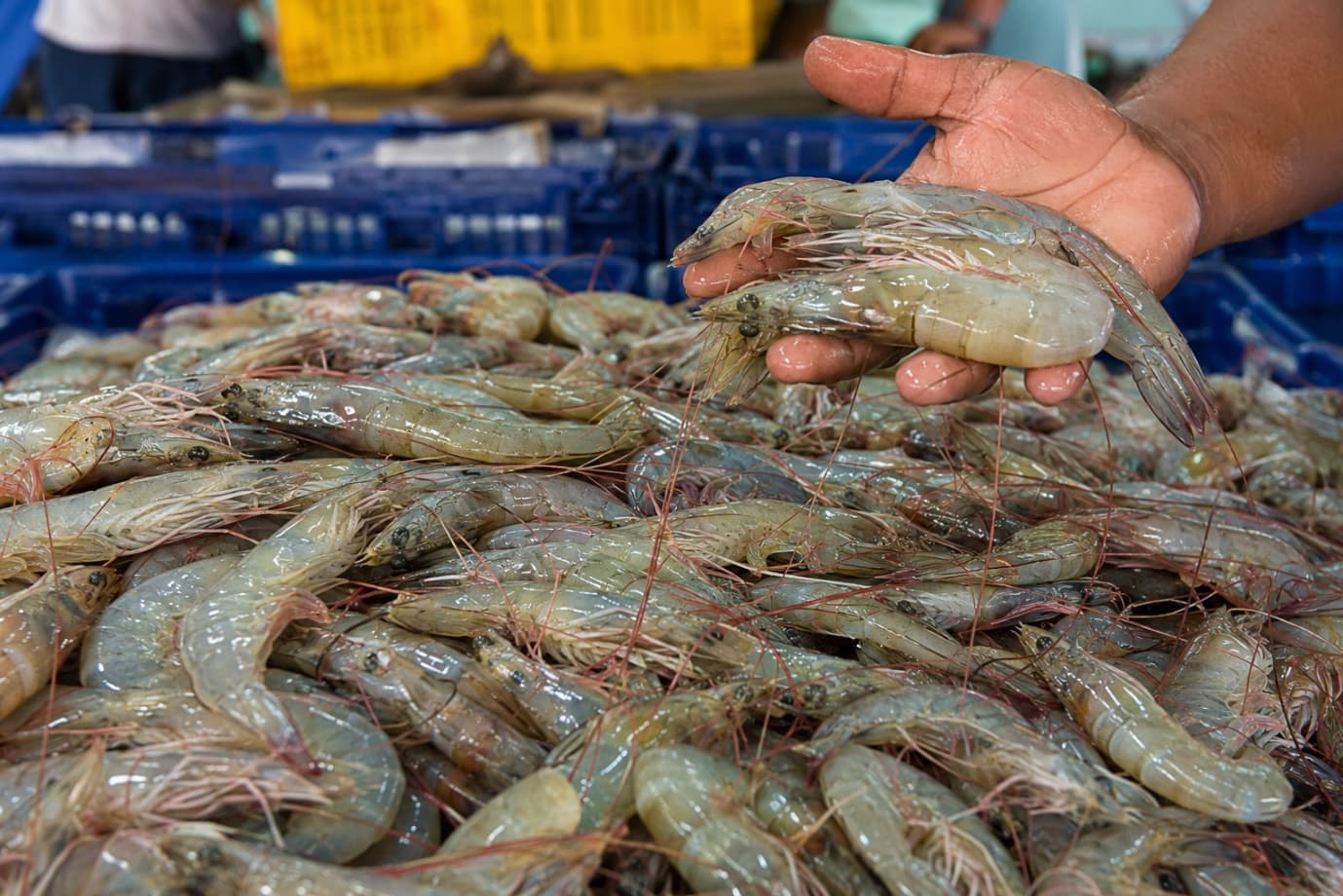
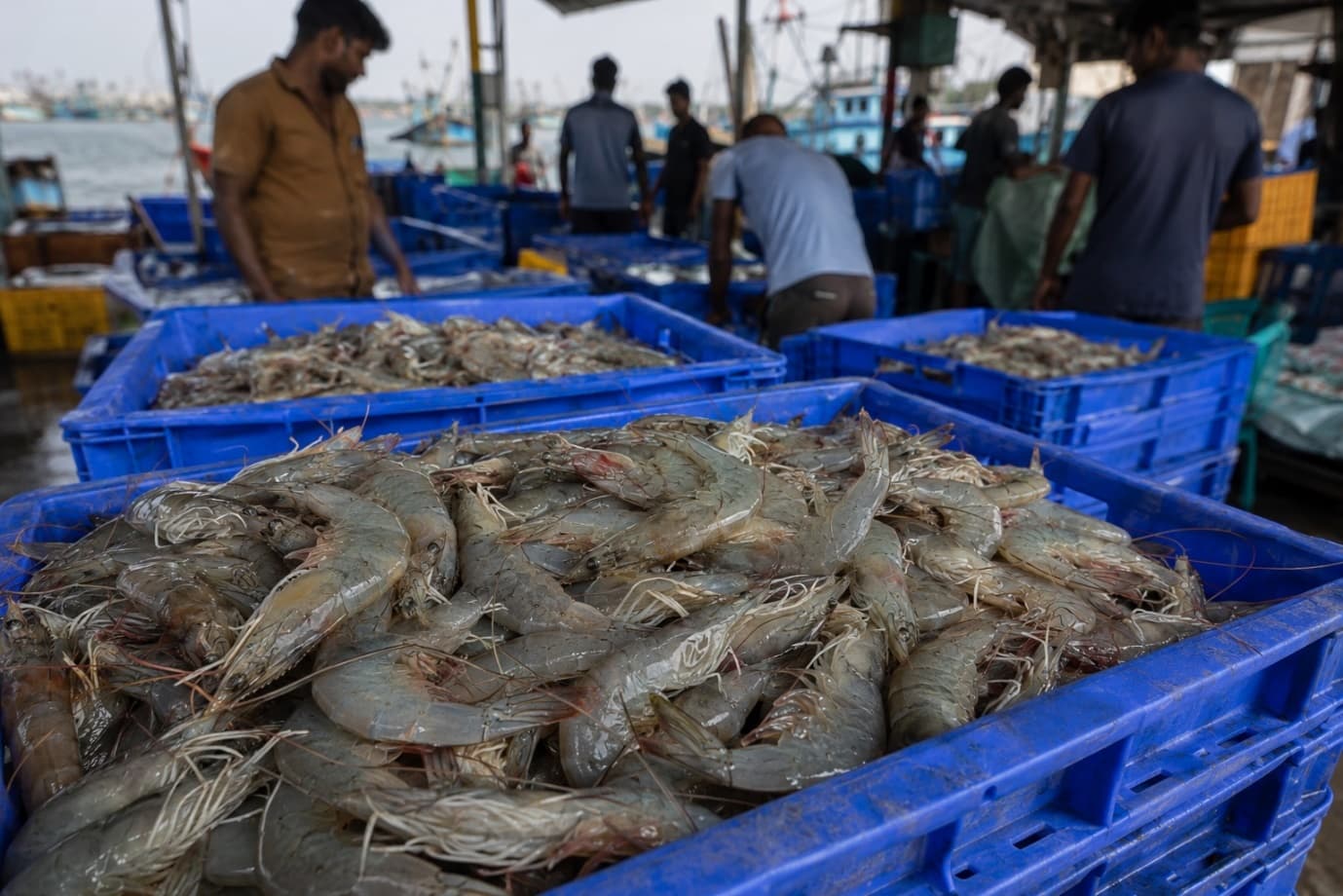
Shrimp farming is one of the most profitable sectors of aquaculture, but it is also one of the most dynamic. Unlike products with fixed prices, shrimp prices change throughout the year. A farmer may receive an excellent price one month and a significantly lower price the next, even for shrimp of similar quality.
These price fluctuations often leave farmers wondering why the market changes so quickly. The truth is that shrimp prices are influenced by a combination of domestic production, international demand, export markets, shrimp size, seasonal supply, and global economic conditions.
Understanding shrimp price trends is essential for farmers, processors, exporters, and seafood businesses. By knowing what drives the market, stakeholders can make better decisions about stocking, harvesting, and marketing their shrimp.
Why Shrimp Prices Fluctuate
One of the most frequently asked questions is why shrimp prices fluctuate.
Unlike manufactured products, shrimp is a biological commodity. Production depends on weather, water quality, disease outbreaks, and farming conditions, while demand depends on consumers, restaurants, retailers, and international buyers.
Because both production and demand constantly change, shrimp prices also move up and down.
The shrimp market is influenced by several factors that often work together rather than individually.
Supply and Demand Drive the Market
The most important factor influencing shrimp demand and supply is basic market economics.
When shrimp production is high and many farmers harvest at the same time, supply increases. If buyer demand remains unchanged, prices usually fall because processors have plenty of shrimp to purchase.
On the other hand, when production decreases due to poor weather, disease, or reduced stocking, shrimp becomes less available. Limited supply often pushes prices upward as buyers compete for available shrimp.
This balance between supply and demand forms the foundation of the global shrimp market.
Shrimp Size Plays a Major Role
One of the biggest factors affecting shrimp prices is shrimp size.
Shrimp is sold according to count per kilogram. Larger shrimp usually command higher prices because they require more time to grow and are preferred in many export markets.
For example:
- 20 count shrimp generally receives a higher price.
- 30 count shrimp is also highly valued.
- 40 count shrimp often sells at a moderate price.
- Smaller sizes such as 60, 80, or 100 count usually receive lower prices.
These shrimp prices by size allow processors to meet different customer requirements across domestic and international markets.
Farmers often monitor market demand carefully before deciding when to harvest.
Export Markets Strongly Influence Prices
India exports a large proportion of its shrimp production, making shrimp exports one of the biggest influences on farmgate prices.
Major importing countries include the United States, China, Japan, Canada, and several European nations.
When international buyers increase purchases, processors compete to secure more shrimp from farmers. This increased competition often results in better prices.
However, when export demand slows because of inflation, economic uncertainty, shipping costs, or changing consumer spending, farmgate prices may decline.
Understanding shrimp export price trends helps farmers better anticipate market movements.
Global Shrimp Market Trends
Today's shrimp industry is connected to the global economy.
Several global shrimp market trends can influence prices in India, including:
- Consumer demand in importing countries.
- International seafood consumption.
- Currency exchange rates.
- Freight and shipping costs.
- Global inflation.
- Trade policies.
- Competition from other shrimp-producing countries.
Countries such as Ecuador, Vietnam, Indonesia, and Thailand also supply shrimp to international markets. Changes in production from these countries can affect worldwide shrimp prices.
This is why Indian farmers often experience price changes even when local production remains stable.
Seasonal Production Affects Prices
Shrimp farming follows seasonal production cycles.
During peak harvest periods, processors receive large quantities of shrimp within a short time. Increased supply often places downward pressure on prices.
Conversely, during periods when fewer farms are harvesting, supply decreases and prices may improve.
Weather conditions also influence production.
Heavy rainfall, cyclones, floods, heatwaves, and disease outbreaks can reduce harvest volumes, creating temporary shortages that support higher market prices.
Farmers who understand seasonal production patterns can make better harvesting decisions.
Domestic Shrimp Demand Is Growing
Although exports remain the primary market, shrimp demand within India is gradually increasing.
Consumers are becoming more health conscious and are looking for high-protein, low-calorie foods. Improved cold-chain infrastructure, online seafood delivery platforms, supermarkets, and ready-to-cook products are making shrimp more accessible than ever before.
As domestic consumption continues to grow, India may become less dependent on exports alone.
A stronger domestic market could help stabilize prices during periods of weak international demand.
Vannamei Shrimp Price Today
Many farmers search online for Vannamei shrimp price today before harvesting.
However, there is no single national shrimp price.
Prices vary depending on:
- Shrimp size.
- Product quality.
- Harvest location.
- Buyer demand.
- Export orders.
- Processing capacity.
- Regional supply.
Farmers usually obtain current prices from processors, local buyers, farmer associations, and market intelligence services.
Checking current market conditions before harvest can help maximize returns.
Shrimp Market Forecast
The shrimp market forecast remains positive over the long term.
Global demand for seafood is expected to continue increasing as populations grow and consumers seek healthier protein sources.
India is well positioned to benefit because of its strong farming infrastructure, experienced producers, and established export industry.
At the same time, expanding domestic shrimp consumption, improvements in cold-chain logistics, value-added seafood products, and technology adoption are expected to strengthen the industry's future.
Although short-term price fluctuations will continue, long-term demand for shrimp remains encouraging.
Shrimp Price Trends in India
Recent shrimp price trends in India show that market conditions can change rapidly.
Disease outbreaks, weather events, international trade, shipping costs, exchange rates, and seasonal harvests all influence prices throughout the year.
This makes market information increasingly valuable.
Many farmers now monitor weekly price reports before deciding when to harvest.
Combining production knowledge with market intelligence helps improve profitability and reduce business risk.
Shrimp Price Prediction
Accurate shrimp price prediction is difficult because numerous factors affect the market simultaneously.
However, farmers can improve decision-making by monitoring:
- Export demand.
- Domestic consumption.
- Global seafood markets.
- Production volumes.
- Weather forecasts.
- Disease reports.
- Feed costs.
- Currency movements.
No one can predict prices with complete certainty, but understanding market indicators helps farmers prepare for changing conditions.
Knowledge remains one of the most valuable tools in successful shrimp farming.
Conclusion
Understanding shrimp price trends is essential for everyone involved in the shrimp industry.
Prices are influenced by supply and demand, shrimp size, export markets, seasonal production, international trade, weather, and global economic conditions. These factors constantly interact, causing prices to rise and fall throughout the year.
Rather than viewing price fluctuations as unpredictable, farmers who understand the market can make better production and harvesting decisions.
As India's shrimp industry continues to grow, expanding domestic demand, improving technology, and stronger market intelligence are expected to create a more stable and resilient shrimp sector.
While no one can control the market, understanding why shrimp prices fluctuate gives farmers, processors, and exporters the knowledge they need to adapt, reduce risks, and make smarter business decisions in an increasingly competitive global seafood industry.