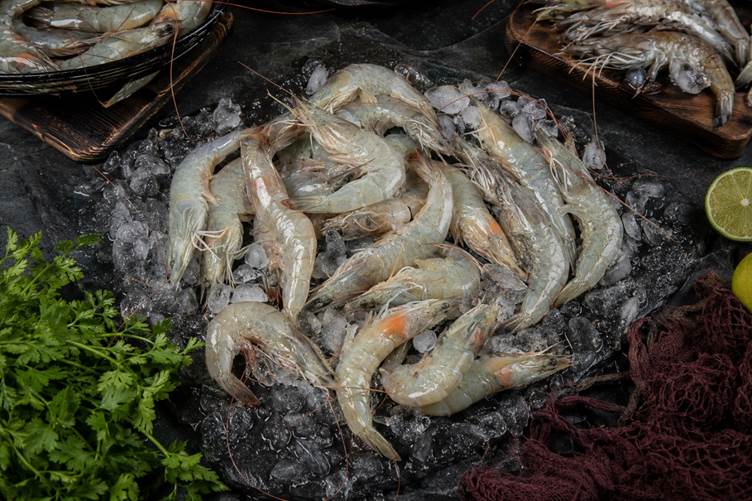
India has earned global recognition as one of the world’s largest shrimp-producing and exporting nations. Every year, millions of tonnes of premium-quality shrimp are shipped from Indian processing plants to countries such as the United States, China, Japan, Canada, and several European nations. The Indian shrimp export industry has become a major contributor to the country’s economy, generating billions of dollars in foreign exchange and supporting millions of livelihoods.
While this export success is remarkable, it also raises an important question: Should India’s shrimp industry continue to rely primarily on exports, or should it focus more on building a stronger domestic market?
The answer is not about choosing one over the other. Instead, the future of the Indian shrimp industry depends on creating a healthy balance between shrimp exports India and a growing domestic shrimp market. Together, they can provide greater long-term stability for farmers, processors, exporters, retailers, and consumers.
India’s Success as a Global Shrimp Exporter
Over the past two decades, India has transformed its aquaculture sector through modern shrimp farming, better hatchery technology, improved feed, and advanced processing facilities. As a result, shrimp exports have become one of the strongest pillars of the country’s seafood economy.
The Indian seafood export market serves buyers across the globe who value Indian shrimp for its quality, competitive pricing, and strict food safety standards. Shrimp accounts for the largest share of India’s seafood export earnings, making it one of the country’s most valuable agricultural export commodities.
This success has encouraged investments in hatcheries, feed mills, processing plants, cold-chain logistics, quality testing laboratories, and export infrastructure. Millions of farmers, workers, transporters, and seafood professionals depend directly or indirectly on the shrimp export business.
Why Exports Have Been the Preferred Market
The shrimp export business in India has traditionally offered better prices than the domestic market.
International buyers generally purchase shrimp in large quantities and are willing to pay premium prices for larger shrimp sizes that meet export quality standards. Long-term contracts with overseas buyers also provide processors with predictable demand.
For farmers, this has made exports an attractive option. Higher export demand often translates into better farmgate prices, encouraging increased production and investment in shrimp farming.
As a result, much of India’s production has been directed towards international markets, while relatively little attention has been given to expanding domestic shrimp consumption.
The Challenges of Relying Too Much on Exports
Although exports have driven tremendous growth, depending heavily on overseas markets also creates risks.
International demand is influenced by factors beyond the control of Indian farmers.
Global inflation, economic slowdowns, currency exchange rates, shipping costs, trade policies, import regulations, and geopolitical events can all affect seafood demand.
When major importing countries reduce purchases, processors buy less shrimp, causing farmgate prices to decline. Farmers then receive lower returns despite maintaining production.
This demonstrates that relying entirely on exports makes the industry vulnerable to global market fluctuations.
The future of shrimp exports remains positive, but export markets will always experience cycles of growth and slowdown.
Why the Domestic Shrimp Market Matters
A stronger domestic shrimp market can help reduce these risks.
Instead of depending almost entirely on international buyers, Indian shrimp producers can also supply supermarkets, restaurants, hotels, online grocery platforms, institutional kitchens, and households across the country.
A healthy domestic market creates additional demand that remains relatively independent of international economic conditions.
If export demand weakens temporarily, domestic consumption can absorb a larger share of production, helping stabilize prices for farmers and processors.
Rather than replacing exports, domestic demand complements them by creating a more balanced and resilient industry.
Domestic Shrimp Demand in India Is Growing
Although domestic shrimp demand in India remains much lower than export demand, several positive trends are emerging.
Urbanization, rising incomes, better cold-chain infrastructure, online seafood delivery platforms, and increasing health awareness are encouraging more Indians to include seafood in their diets.
Consumers today are looking for nutritious, high-protein foods that are easy to prepare. Shrimp meets these requirements while offering excellent taste and nutritional value.
Ready-to-cook shrimp products, frozen seafood, marinated shrimp, and convenient packaging are making seafood more accessible than ever before.
As awareness continues to improve, domestic demand is expected to grow steadily over the coming years.
Export vs Domestic Shrimp Market: Which Is Better?
The debate around the export vs domestic shrimp market should not be viewed as a competition.
Each market serves a different purpose.
Exports generate valuable foreign exchange, create employment, and establish India’s reputation as a global seafood supplier.
Domestic markets provide stability, diversify revenue sources, encourage product innovation, and reduce dependence on international price fluctuations.
The strongest seafood industries in the world are supported by both robust exports and strong domestic consumption.
India has the opportunity to achieve the same balance.
Opportunities in the Indian Shrimp Market
There are enormous opportunities in the Indian shrimp market that remain largely untapped.
Many Indian consumers still consider shrimp an occasional luxury food rather than an everyday source of protein.
Increasing awareness about shrimp’s nutritional benefits can help change this perception.
Retailers can expand seafood sections in supermarkets.
Food delivery platforms can introduce more shrimp-based meals.
Restaurants can offer affordable shrimp dishes.
Food processing companies can develop ready-to-cook and ready-to-eat shrimp products designed specifically for Indian households.
These initiatives would encourage more consumers to purchase shrimp regularly while creating additional business opportunities throughout the supply chain.
Shrimp Export Trends and Future Growth
Recent shrimp export trends show that global demand for seafood continues to grow over the long term, driven by population growth, rising incomes, and increasing awareness of healthy eating.
However, international competition is also becoming stronger, with countries such as Ecuador, Vietnam, Indonesia, and Thailand expanding shrimp production.
To remain competitive, India must continue improving productivity, sustainability, disease management, traceability, and product quality.
At the same time, developing the domestic market provides an additional growth engine that strengthens the industry’s resilience.
Diversification is one of the most effective strategies for reducing business risk.
Shrimp Market Growth in India
The future of shrimp market growth in India looks promising.
Government support for fisheries and aquaculture, improvements in cold-chain logistics, digital seafood retail, quick-commerce platforms, and increasing consumer awareness are expected to expand domestic seafood consumption.
Young consumers are becoming more health conscious and are willing to try new protein sources.
As more families discover the nutritional benefits of shrimp, domestic demand is likely to grow steadily alongside exports.
This balanced approach will help create a stronger and more sustainable seafood sector.
Building a Stable Future for Aquaculture India
The success of aquaculture India depends not only on producing more shrimp but also on creating multiple markets for that production.
A balanced industry offers benefits to everyone.
Farmers gain more marketing options and improved price stability.
Processors can develop value-added products for both domestic and international customers.
Retailers expand seafood sales.
Consumers gain access to healthy, protein-rich food.
The national economy benefits from both export earnings and stronger domestic food security.
This diversified approach reduces dependence on any single market while encouraging sustainable long-term growth.
Conclusion
India’s shrimp industry has become one of the country’s greatest aquaculture success stories. The continued growth of shrimp exports India will remain essential for generating foreign exchange and maintaining India’s position as a global seafood leader.
However, exports alone cannot provide complete long-term stability.
A growing domestic shrimp market, supported by increasing domestic seafood consumption, will help reduce the industry’s exposure to global market fluctuations while creating new business opportunities across the value chain.
The future of the Indian shrimp industry lies in balancing exports with strong domestic demand. Together, these two markets can support farmers, processors, exporters, retailers, and consumers while ensuring sustainable shrimp market growth in India for decades to come.
Rather than asking whether exports or domestic sales are more important, the better question is how both can work together to build a stronger, more resilient, and globally competitive Indian shrimp industry.