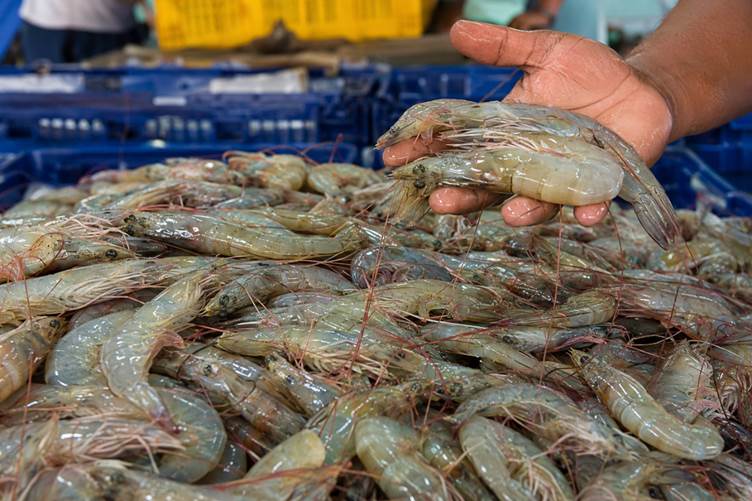
India is one of the world’s largest producers and exporters of farmed shrimp, making the shrimp industry an important contributor to the country’s seafood economy. However, one question is frequently asked by shrimp farmers, processors, exporters, and buyers alike: Why do shrimp prices in India keep changing?
Unlike fixed commodity prices, shrimp prices fluctuate throughout the year due to several interconnected factors. Global demand, export orders, shrimp size, production levels, seasonal conditions, and international market trends all influence the price farmers receive for their harvest.
Whether you are a shrimp farmer trying to maximize profits or simply interested in understanding the shrimp market, knowing how shrimp prices are determined can help you make better decisions.
How Are Shrimp Prices Determined in India?
The shrimp price a farmer receives is commonly known as the farmgate shrimp price. This is the price paid by processors or buyers when shrimp is harvested directly from the farm.
Unlike retail seafood prices, farmgate prices change almost every week depending on market conditions.
There is no single national price for shrimp. Prices vary depending on:
- Shrimp size
- Product quality
- Supply and demand
- Export market conditions
- Processing demand
- Region of production
- Seasonal harvests
These factors together determine the Vannamei shrimp price in India and influence the profitability of shrimp farming.
Shrimp Size Plays the Biggest Role in Pricing
One of the most important factors affecting shrimp prices by size is grading.
Shrimp is sold based on the number of shrimp required to make one kilogram. Larger shrimp command higher prices because they are preferred in many export markets.
For example:
- 20 count shrimp (20 shrimp per kilogram) generally fetches a much higher price than
- 40 count shrimp, which is usually priced lower.
- Smaller sizes such as 60, 80, or 100 count are generally sold at lower prices because they require less grow-out time and are more abundant.
This process is known as shrimp grading and pricing, and it forms the foundation of how processors purchase shrimp from farmers.
Farmers often adjust their harvest timing depending on market demand for specific sizes.
Supply and Demand Influence Shrimp Prices
Like any agricultural commodity, shrimp prices depend heavily on supply and demand.
When shrimp production is high during peak harvest seasons, the market receives large volumes of shrimp. If demand does not increase at the same pace, prices usually decline.
On the other hand, when production decreases because of weather conditions, disease outbreaks, or lower stocking, shrimp availability falls. Limited supply often pushes prices upward.
Similarly, rising international demand increases buying activity from processors, leading to stronger farmgate prices.
Understanding shrimp demand and prices is therefore essential for farmers planning their production cycles.
Export Markets Have a Major Impact
India exports a significant portion of its farmed shrimp to international markets, making shrimp export prices one of the biggest factors influencing domestic farmgate rates.
Countries such as the United States, China, Japan, Canada, and several European nations are major buyers of Indian shrimp.
When export demand is strong, processing plants compete to secure raw material from farmers, often resulting in better prices.
However, global economic slowdowns, inflation, changing consumer demand, shipping costs, or trade restrictions can reduce export orders. This directly affects farmgate prices across India.
Since India’s shrimp industry is largely export-oriented, international markets continue to play a crucial role in determining shrimp prices in India.
Seasonal Factors Also Affect Prices
Shrimp farming follows seasonal production cycles.
During periods when many farmers harvest at the same time, supply increases rapidly. This temporary oversupply can place downward pressure on prices.
Weather events such as heavy rainfall, cyclones, floods, or unusually high temperatures can also affect production, reducing supply and influencing market prices.
Disease outbreaks in shrimp farms may lower production in certain regions, creating temporary shortages that support higher prices.
For this reason, successful shrimp farmers closely monitor both production conditions and market trends before deciding when to harvest.
Quality Matters Just as Much as Size
While size is important, quality also influences the final price offered by buyers.
Processors evaluate shrimp based on several quality parameters, including:
- Freshness
- Uniform size
- Shell quality
- Absence of disease
- Proper handling during harvest
- Overall appearance
High-quality shrimp that meets export standards usually receives better prices than shrimp with quality defects.
Maintaining good pond management, water quality, feeding practices, and biosecurity throughout the crop can therefore improve both production and profitability.
Shrimp Market Price Trends
Understanding shrimp market price trends is becoming increasingly important for farmers.
Many producers now monitor weekly market reports before deciding whether to harvest immediately or allow shrimp to grow to larger sizes.
Market trends can change because of:
- Export demand
- Global seafood consumption
- Currency exchange rates
- Feed costs
- Fuel prices
- Freight charges
- International competition
- Consumer purchasing patterns
By staying informed about market developments, farmers can make more strategic harvesting decisions.
Shrimp Price Today in India
One of the most common online searches is “shrimp price today in India.”
The answer changes frequently because shrimp prices are dynamic.
There is no fixed national price that applies across every state or processing plant. Prices vary depending on region, shrimp size, buyer demand, and current export conditions.
Farmers typically obtain the latest prices through processors, local buyers, farmer groups, aquaculture associations, and market intelligence platforms that provide regular price updates.
Checking current market information before harvest can help farmers negotiate better prices.
Indian Shrimp Price Forecast
Looking ahead, the Indian shrimp price forecast will depend on several important factors.
Global seafood demand is expected to continue growing over the long term as populations increase and consumers seek healthier protein sources.
At the same time, domestic shrimp consumption in India is gradually improving due to rising incomes, better cold-chain infrastructure, expanding online seafood retail, and greater awareness of shrimp’s nutritional benefits.
If domestic demand continues to grow alongside exports, India’s shrimp industry may become less dependent on international markets alone. This could help stabilize farmgate prices over time.
Technology, improved disease management, sustainable farming practices, and better market information are also expected to contribute to a stronger and more resilient shrimp sector.
Conclusion
Understanding shrimp prices in India requires looking beyond simple supply and demand. Shrimp size, grading, quality, export markets, seasonal production, processing demand, and global economic conditions all work together to determine the prices farmers receive.
For shrimp farmers, staying informed about what affects shrimp prices is just as important as producing a healthy crop. Monitoring market trends, maintaining excellent shrimp quality, and choosing the right harvest time can significantly improve profitability.
As India’s shrimp industry continues to evolve, greater domestic consumption, technological advancements, and stronger market intelligence are expected to create a more stable pricing environment. For farmers, processors, exporters, and consumers alike, understanding how the shrimp market works is the first step toward making smarter decisions in one of the world’s most important seafood industries.