
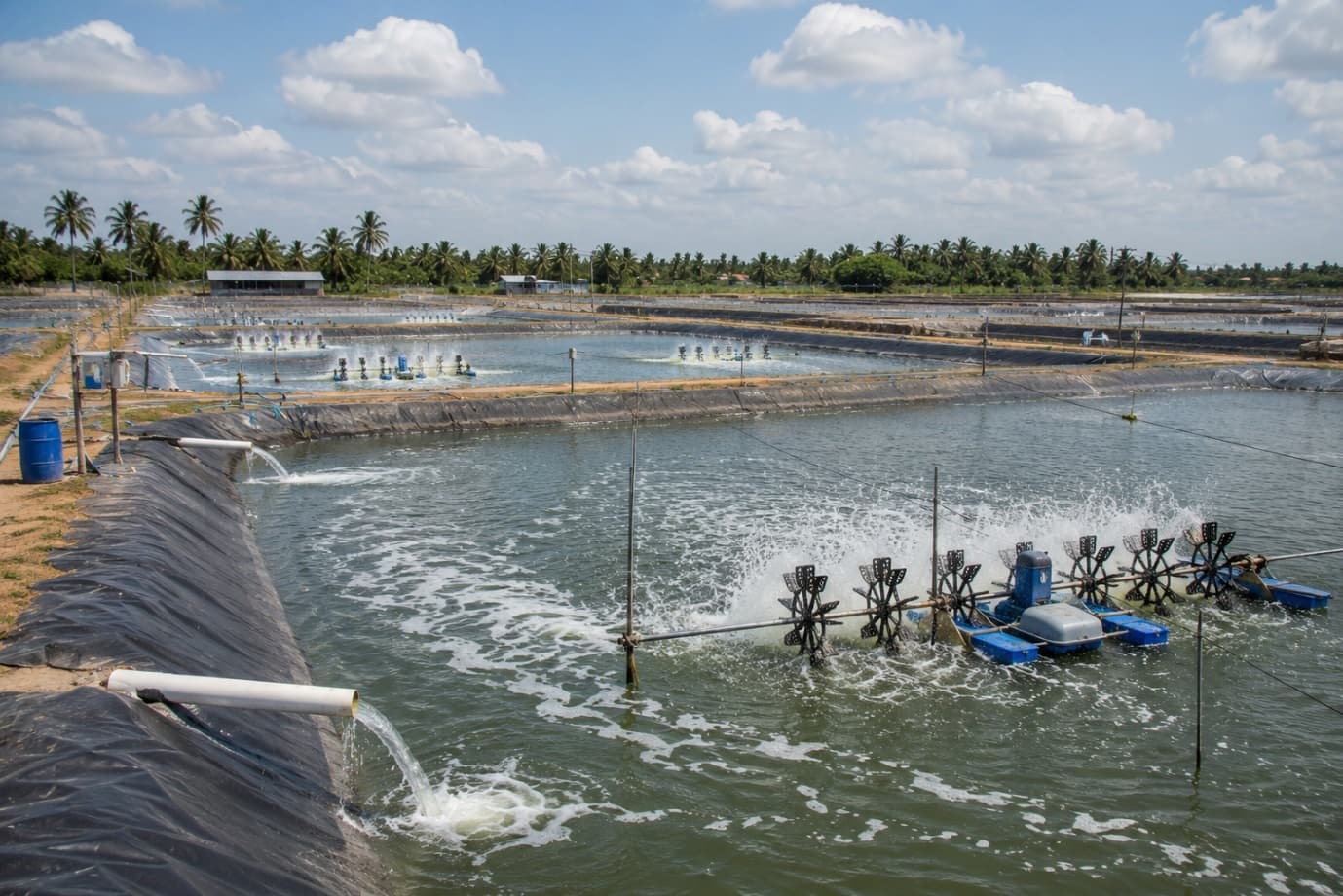
India has become one of the world's leading producers and exporters of farmed shrimp, making shrimp farming one of the fastest-growing sectors in aquaculture. Every year, thousands of farmers invest in shrimp ponds with the hope of earning attractive returns. At the same time, many aspiring entrepreneurs ask the same question: Is shrimp farming profitable in India?
The answer is yes—but profitability depends on planning, scientific farm management, risk management, and market awareness. Shrimp farming has the potential to generate strong returns, but like any agricultural enterprise, it also carries risks that must be managed carefully.
Whether you are a new entrepreneur or an existing farmer planning to expand, understanding the economics of the shrimp farming business is the first step toward long-term success.
Why Shrimp Farming Has Become a Popular Business
Over the past two decades, India's shrimp sector has expanded rapidly because of increasing global seafood demand, improved farming technology, and better export opportunities.
The aquaculture business now supports millions of livelihoods across hatcheries, feed manufacturing, shrimp farming, processing plants, cold-chain logistics, exports, and retail.
One reason for this growth is the commercial success of Vannamei shrimp, which offers fast growth, good feed conversion, and strong market demand.
Combined with improvements in farm management and technology, shrimp farming has become an attractive business opportunity for many rural and coastal entrepreneurs.
Is Shrimp Farming Profitable in India?
The most common question asked by new investors is "Is shrimp farming profitable in India?"
Under proper management, shrimp farming can be highly profitable. Healthy shrimp, good survival rates, efficient feed management, and favourable market prices can generate attractive returns.
However, profitability depends on several factors, including:
- Pond management
- Water quality
- Seed quality
- Feed efficiency
- Disease prevention
- Harvest timing
- Market prices
- Production costs
Farmers who focus on scientific management generally achieve better financial results than those relying only on traditional practices.
Success comes from managing both production and business efficiently.
How to Start a Shrimp Farming Business
Many entrepreneurs search for how to start a shrimp farming business because they recognize the industry's growth potential.
The process typically involves:
- Selecting a suitable farm location.
- Constructing or preparing shrimp ponds.
- Obtaining required approvals.
- Purchasing healthy Specific Pathogen Free (SPF) shrimp seed.
- Installing aeration equipment.
- Arranging a reliable water supply.
- Developing a feeding and water quality management plan.
- Establishing connections with buyers or processors.
Careful planning before stocking greatly improves the chances of a successful crop.
Shrimp Farming Business Plan
Every successful farm begins with a well-prepared shrimp farming business plan.
A business plan should include:
- Investment requirements.
- Pond size and production capacity.
- Operating costs.
- Feed requirements.
- Seed procurement.
- Labour requirements.
- Water management.
- Risk assessment.
- Marketing strategy.
- Financial projections.
Planning helps farmers understand both opportunities and challenges before making major investments.
It also provides a roadmap for long-term business growth.
Cost of Starting a Shrimp Farm
The cost of starting a shrimp farm depends on several factors.
These include:
- Land availability.
- Pond construction.
- Aeration systems.
- Pumps.
- Electrical infrastructure.
- Water supply.
- Seed.
- Feed.
- Labour.
- Farm equipment.
Existing ponds generally require lower investment than developing entirely new farms.
Farmers should also budget for unexpected expenses such as equipment maintenance, weather events, or disease management.
Understanding startup costs helps prevent financial surprises during the production cycle.
Shrimp Farming Investment Guide
A practical shrimp farming investment guide emphasizes investing in areas that directly influence production success.
Important investments include:
- Quality pond construction.
- Reliable aeration.
- Good water management equipment.
- Certified SPF seed.
- High-quality feed.
- Water testing equipment.
- Biosecurity infrastructure.
- Farm monitoring systems.
Trying to reduce costs in critical areas often leads to larger financial losses later.
Investing wisely at the beginning usually improves long-term profitability.
Shrimp Farming Startup Costs vs Operating Costs
Many new entrepreneurs focus only on startup expenses.
However, successful businesses also manage ongoing operating costs carefully.
Common shrimp farming startup costs include pond development, pumps, aerators, pipelines, electrical systems, and equipment.
Operating costs generally include:
- Feed.
- Seed.
- Electricity.
- Labour.
- Water management.
- Pond maintenance.
- Harvest expenses.
- Transportation.
Feed typically represents the largest recurring production expense, making efficient feed management essential for profitability.
Shrimp Farming Profit Margin
The shrimp farming profit margin varies from farm to farm.
Several factors influence profitability, including:
- Survival rate.
- Feed conversion ratio (FCR).
- Shrimp size at harvest.
- Market prices.
- Disease incidence.
- Production efficiency.
- Farm management quality.
Well-managed farms generally achieve stronger profit margins because they produce healthier shrimp with lower production costs.
Good management often has a greater impact on profitability than market prices alone.
Return on Investment in Shrimp Farming
The return on investment in shrimp farming depends on both production performance and market conditions.
Farmers who maintain excellent water quality, prevent disease, use quality seed, and harvest according to market demand generally achieve better financial returns.
Poor management, however, can reduce profitability through slower growth, lower survival, increased feed costs, and disease outbreaks.
Shrimp farming should therefore be viewed as both a biological and financial management business.
Successful farmers continuously monitor costs while maximizing production efficiency.
Shrimp Farming Income in India
Many people ask about shrimp farming income in India.
Income varies significantly depending on:
- Farm size.
- Number of crops per year.
- Productivity.
- Market prices.
- Production costs.
- Farm management.
There is no fixed income because every farm operates under different conditions.
Rather than focusing only on gross revenue, successful entrepreneurs monitor net profit after accounting for all operating expenses.
Long-term profitability depends on consistent performance across multiple production cycles.
Commercial Shrimp Farming Guide
A successful commercial shrimp farming guide combines science with business management.
Commercial farms focus on:
- Quality seed.
- Proper pond preparation.
- Excellent water quality.
- Balanced feeding.
- Biosecurity.
- Daily monitoring.
- Accurate record keeping.
- Cost control.
- Market planning.
Technology is also becoming increasingly important.
Water quality sensors, automatic feeders, mobile farm management software, and digital record systems help improve efficiency while reducing production risks.
Modern commercial shrimp farming is becoming more precise and data driven.
Risks Every Shrimp Farmer Should Understand
Like every agricultural enterprise, shrimp farming involves risks.
Some common challenges include:
- Disease outbreaks.
- Weather events.
- Water quality problems.
- Market price fluctuations.
- Feed cost increases.
- Power failures.
- Labour shortages.
These risks can be reduced through good planning, biosecurity, proper insurance where available, regular monitoring, and continuous farmer education.
Prepared farmers are generally more resilient during difficult production seasons.
Conclusion
The shrimp farming business offers significant opportunities for entrepreneurs willing to approach it professionally. Growing global seafood demand, modern farming technologies, and India's strong export infrastructure continue to make shrimp farming an attractive aquaculture business.
However, profitability is not guaranteed simply by constructing ponds and stocking shrimp. Success depends on scientific farm management, financial planning, disease prevention, water quality management, and careful market analysis.
For entrepreneurs asking "Is shrimp farming profitable in India?", the answer is clear: it can be highly profitable when managed efficiently and sustainably.
With proper planning, disciplined execution, and continuous learning, shrimp farming can become a rewarding long-term business that supports farmer incomes, strengthens rural economies, and contributes to the continued growth of India's aquaculture sector.


