
Andhra Pradesh, India's leading shrimp-producing state, has urged the Central Government to introduce policy measures to strengthen the aquaculture sector and provide relief to shrimp farmers facing rising production costs and uncertain global market conditions.
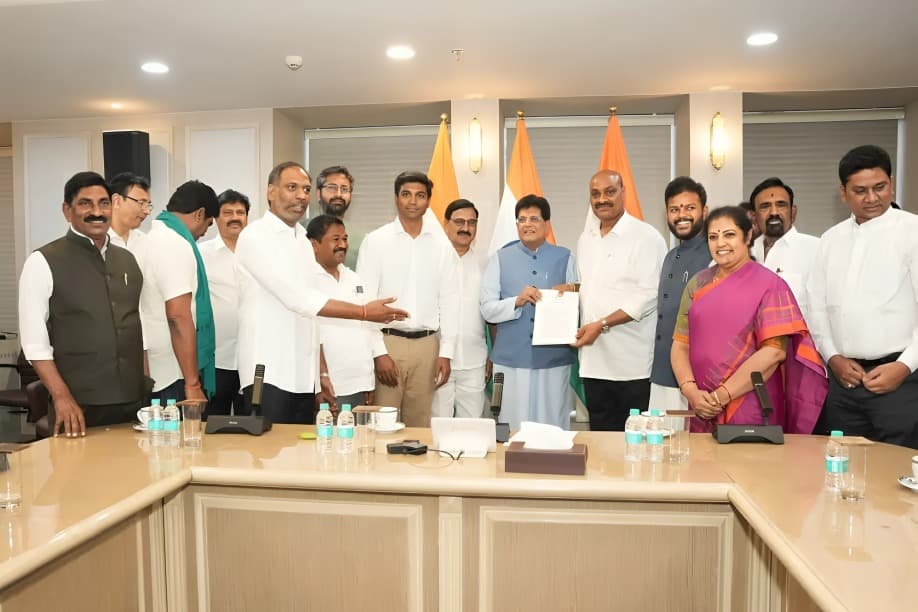
During a visit to New Delhi, an Andhra Pradesh delegation led by Chief Minister N. Chandrababu Naidu, along with NDA Members of Parliament, Union Ministers, and State Ministers, met Union Minister for Commerce and Industry Piyush Goyal and Union Minister for Fisheries, Animal Husbandry and Dairying Rajiv Ranjan Singh (Lalan Singh). The delegation submitted memorandums outlining several proposals aimed at improving the competitiveness and long-term sustainability of India's aquaculture industry.
Andhra Pradesh Highlights Challenges Facing Shrimp Farmers
Aquaculture is one of Andhra Pradesh's most important economic sectors, with the state contributing significantly to India's shrimp production and seafood exports. However, shrimp farmers are currently facing mounting pressure due to rising feed costs, fluctuating international shrimp prices, and increasing production expenses.
According to the state government, these challenges have affected farm profitability and created uncertainty for producers across the aquaculture value chain. To address these issues, Andhra Pradesh requested policy interventions that would improve the availability of essential feed ingredients while reducing input costs for shrimp farmers.
Fish Meal Export Regulation Proposed
One of the major recommendations submitted to the Central Government relates to the regulation of fish meal exports.
Fish meal is one of the key protein ingredients used in shrimp feed manufacturing. Any reduction in domestic availability or increase in prices directly affects feed production costs, which ultimately impacts shrimp farmers.
The Andhra Pradesh government proposed measures to ensure adequate domestic availability of fish meal so that feed manufacturers can access raw materials at more stable prices. The state believes that improving the domestic supply of fish meal could help control feed costs and strengthen the competitiveness of India's shrimp farming sector.
Request for Limited GM Soybean Meal Imports
The delegation also requested permission to allow registered shrimp feed manufacturers to import genetically modified (GM) soybean meal in limited quantities.
Soybean meal is another major protein source used in shrimp feed formulations. According to the state government, limited and regulated imports would improve raw material availability for feed manufacturers while helping manage rising feed production costs.
The proposal recommends restricting such imports only to registered shrimp feed manufacturers operating under approved regulatory guidelines, ensuring proper monitoring while supporting the industry's feed requirements.
Focus on Strengthening Fisheries Infrastructure
Apart from feed-related issues, the Andhra Pradesh government also emphasised the need to strengthen fisheries infrastructure within the state.
During discussions with the Central Government, the delegation referred to an earlier commitment made during the Seafood Exports Workshop held in Visakhapatnam regarding the establishment of a regional fisheries facility.
The state informed the Centre that 7.89 acres of land has already been allocated at Nekkallu near Amaravati for the proposed project.
To move the project forward, Andhra Pradesh requested the Centre to expedite the preparation of the Detailed Project Report (DPR) along with administrative and financial approvals.
The proposed facility includes:
- NFDB Regional Office
- Fisheries Training Centre
- Fisheries Park
- Aquarium
The state has targeted completion of the project by June 2028, believing it will strengthen research, training, capacity building, and institutional support for the fisheries and aquaculture sectors.
Andhra Pradesh's Contribution to India's Seafood Exports
During the meetings, the state government highlighted Andhra Pradesh's vital contribution to India's seafood industry.
According to the memorandum, Andhra Pradesh accounts for approximately 34% of India's marine product exports, making it the country's largest contributor to seafood exports.
The aquaculture sector supports thousands of shrimp farmers, hatcheries, feed manufacturers, processors, exporters, transport operators, and other businesses connected to the seafood value chain.
Given this significant contribution, the state requested continued policy support to maintain India's competitiveness in international seafood markets while improving the economic sustainability of shrimp farming.
Why Feed Costs Matter for Shrimp Farmers
Feed represents one of the largest production expenses in commercial shrimp farming.
Any increase in the prices of fish meal, soybean meal, or other feed ingredients directly affects the cost of producing shrimp. Higher feed costs reduce profit margins for farmers, particularly during periods when international shrimp prices remain weak.
Improving the availability of key feed ingredients through policy support could help stabilize feed prices, reduce production costs, and improve the financial viability of shrimp farming.
The proposals submitted by Andhra Pradesh are intended to address these challenges while strengthening the entire aquaculture value chain.
Looking Ahead
The Andhra Pradesh government has expressed optimism that the Central Government will consider its recommendations aimed at supporting shrimp farmers and strengthening India's aquaculture sector.
The proposals focus on ensuring the availability of critical feed raw materials, improving fisheries infrastructure, and creating an environment that supports sustainable growth in shrimp farming.
If implemented, these measures could improve operational efficiency across the aquaculture industry, strengthen India's seafood export competitiveness, and provide long-term benefits for shrimp farmers, feed manufacturers, processors, and exporters.
As global seafood markets continue to evolve, policy initiatives that reduce production costs and encourage infrastructure development will play an important role in maintaining India's position as one of the world's leading shrimp-producing and seafood-exporting nations.


