
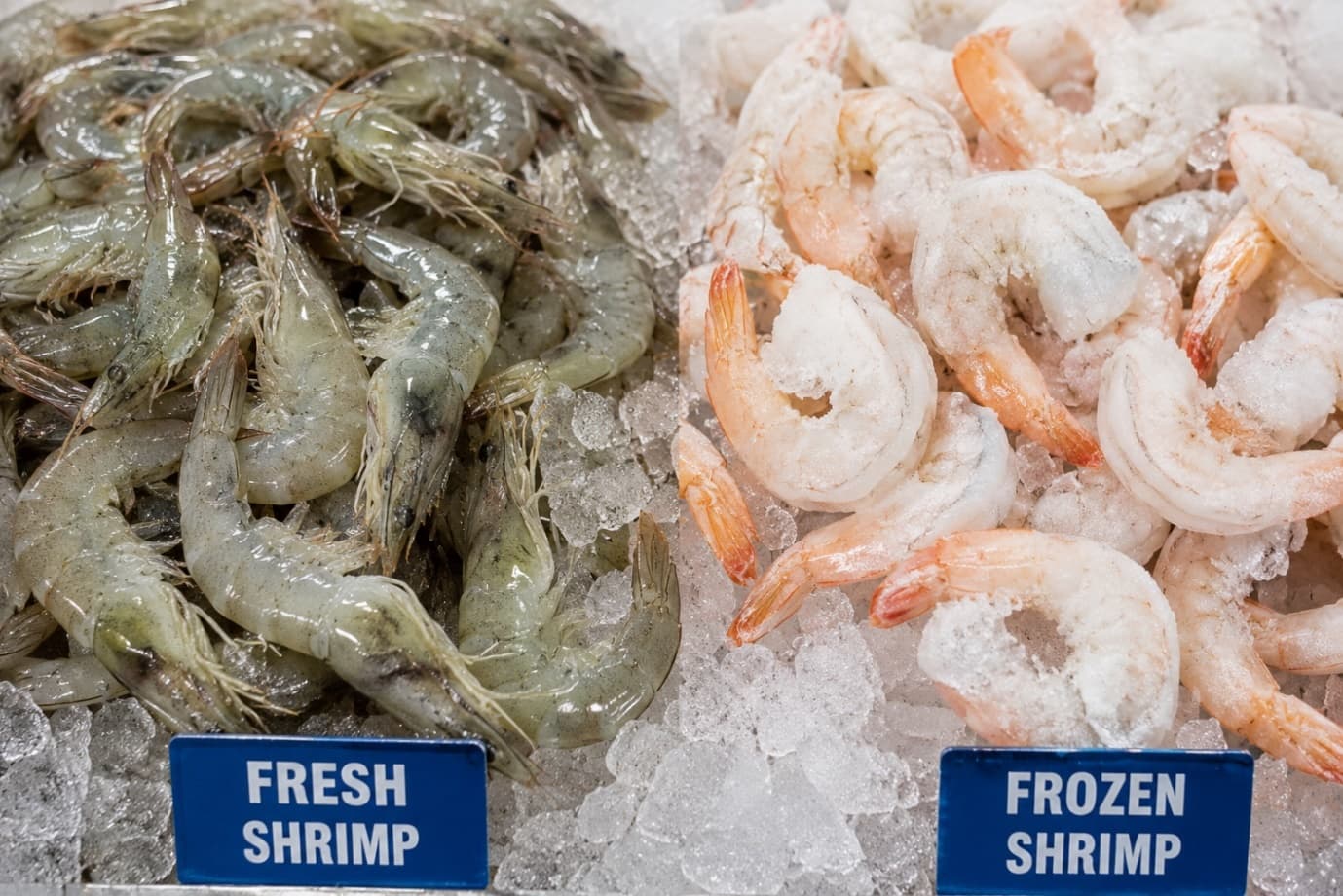
When shopping for shrimp, one of the most common questions consumers ask is whether they should buy fresh shrimp or frozen shrimp. Many people automatically assume that fresh shrimp is always the better choice, while frozen shrimp is considered less nutritious or lower in quality.
The reality is quite different.
Thanks to modern freezing technology, frozen shrimp often matches—or even exceeds—the quality of fresh shrimp available in many markets. In fact, much of the shrimp sold as "fresh" has actually been frozen shortly after harvest and later thawed before being displayed for sale.
Understanding the difference between fresh vs frozen shrimp can help consumers make better purchasing decisions while ensuring they enjoy safe, nutritious, and high-quality seafood.
Understanding Fresh and Frozen Shrimp
Before comparing the two, it is important to understand what "fresh" actually means.
Fresh shrimp usually refers to shrimp that has not been frozen after harvest or has been thawed before reaching the retail counter. In coastal areas, fresh shrimp may come directly from fishing boats or nearby shrimp farms.
Frozen shrimp, on the other hand, is typically frozen soon after harvest using advanced freezing technology. This process helps preserve freshness, texture, flavour, and nutritional value until the shrimp reaches consumers.
Both options can provide excellent quality when handled properly.
Fresh vs Frozen Shrimp Comparison
When making a fresh vs frozen shrimp comparison, there is no simple answer because each option has its own advantages.
Fresh shrimp offers the appeal of immediate availability, especially in coastal regions where seafood reaches markets quickly after harvest.
Frozen shrimp provides consistency, convenience, and longer shelf life. Since shrimp begins to lose freshness soon after harvest, freezing it immediately often preserves quality more effectively than transporting unfrozen shrimp over long distances.
For consumers living far from coastal areas, frozen shrimp may actually be fresher than shrimp sold as "fresh."
Which Is Better: Fresh or Frozen Shrimp?
A common question is "Which is better fresh or frozen shrimp?"
The answer depends on where you buy it and how it has been handled.
If truly fresh shrimp is available directly from a trusted source and has been properly stored, it can be an excellent option.
However, high-quality frozen shrimp processed immediately after harvest often maintains outstanding freshness and consistency.
In many supermarkets, shrimp labelled as fresh has already been frozen during transportation before being thawed for retail display.
For most consumers, choosing shrimp based on quality and proper handling is more important than choosing between fresh and frozen.
Benefits of Frozen Shrimp
There are many benefits of frozen shrimp that consumers may not realize.
Frozen shrimp offers:
- Longer shelf life.
- Reduced food waste.
- Convenient storage.
- Year-round availability.
- Consistent quality.
- Easy portion control.
- Better availability in inland cities.
Freezing also allows consumers to cook only the amount they need while safely storing the remaining shrimp for future meals.
This makes frozen shrimp both economical and convenient for modern households.
Does Frozen Shrimp Lose Nutrition?
One of the biggest misconceptions is that freezing reduces nutritional value.
Many people ask, "Does frozen shrimp lose nutrition?"
The answer is no—at least not to any significant extent.
Modern freezing techniques preserve most of the nutrients found in shrimp, including:
- High-quality protein.
- Vitamin B12.
- Selenium.
- Iodine.
- Zinc.
- Phosphorus.
- Omega-3 fatty acids.
Shrimp frozen shortly after harvest retains its nutritional quality remarkably well.
As a result, frozen shrimp remains an excellent source of healthy protein.
What Is IQF Shrimp?
Consumers often notice the term IQF shrimp on seafood packaging.
IQF stands for Individually Quick Frozen, a modern freezing technology that freezes each shrimp separately instead of freezing them together as one large block.
This process offers several IQF shrimp benefits.
Individual freezing prevents shrimp from sticking together, allowing consumers to remove only the quantity they need without thawing the entire package.
IQF technology also helps maintain better texture, appearance, and product quality during storage.
For most households, IQF shrimp is one of the most convenient seafood products available.
How to Buy Frozen Shrimp
Understanding how to buy frozen shrimp helps consumers select high-quality products.
When purchasing frozen shrimp, check for:
- Properly sealed packaging.
- No signs of freezer burn.
- Minimal ice crystals inside the package.
- Uniform shrimp size.
- Clean appearance.
- Reliable brand or supplier.
- Correct storage temperature.
Avoid packages that show excessive frost, damaged packaging, or signs of repeated thawing and refreezing.
Buying shrimp from trusted retailers ensures better quality and food safety.
How to Store Shrimp Properly
Whether purchasing fresh or frozen shrimp, knowing how to store shrimp properly is essential.
Fresh shrimp should be refrigerated immediately and consumed within one or two days.
Frozen shrimp should remain in the freezer until needed.
When thawing frozen shrimp:
- Thaw it overnight in the refrigerator whenever possible.
- Alternatively, thaw it under cold running water.
- Avoid thawing at room temperature for long periods.
- Never refreeze shrimp after complete thawing unless it has been cooked.
Proper storage helps maintain freshness while reducing the risk of bacterial growth.
Best Shrimp for Cooking
The best shrimp for cooking depends on the recipe.
Fresh shrimp is ideal when it is truly fresh and locally available.
Frozen IQF shrimp works extremely well for most recipes because it maintains consistent quality and is available throughout the year.
Shrimp can be used in:
- Curries.
- Stir-fries.
- Biryani.
- Fried rice.
- Pasta.
- Soups.
- Salads.
- Grilled dishes.
- Barbecue recipes.
Regardless of whether the shrimp is fresh or frozen, proper cooking and seasoning determine the final flavour.
How to Identify Quality Shrimp
Consumers should also know how to identify quality shrimp before making a purchase.
Good-quality shrimp should have:
- A clean, fresh smell.
- Firm texture.
- Bright, natural colour.
- No black spots or excessive discoloration.
- Intact shells if shell-on.
- Clear eyes in whole shrimp.
- Proper refrigeration or freezing.
Shrimp with a strong unpleasant odour, slimy texture, or damaged appearance should be avoided.
Purchasing from reputable seafood retailers further improves confidence in product quality.
Conclusion
The debate over fresh vs frozen shrimp often comes down to perception rather than science.
Modern freezing technology has made frozen shrimp one of the safest, most convenient, and nutritionally valuable seafood options available. In many cases, frozen shrimp may actually preserve freshness better than shrimp sold as fresh after extended transportation.
Consumers should focus less on whether shrimp is fresh or frozen and more on product quality, proper handling, storage conditions, and reliable suppliers.
Whether you choose fresh shrimp, frozen shrimp, or IQF shrimp, selecting high-quality products and storing them correctly will ensure excellent taste, nutrition, and food safety.
The next time you shop for shrimp, remember that frozen does not mean lower quality. With today's advanced seafood processing technologies, frozen shrimp is often one of the smartest choices for consumers seeking convenience, value, and exceptional seafood quality.


