
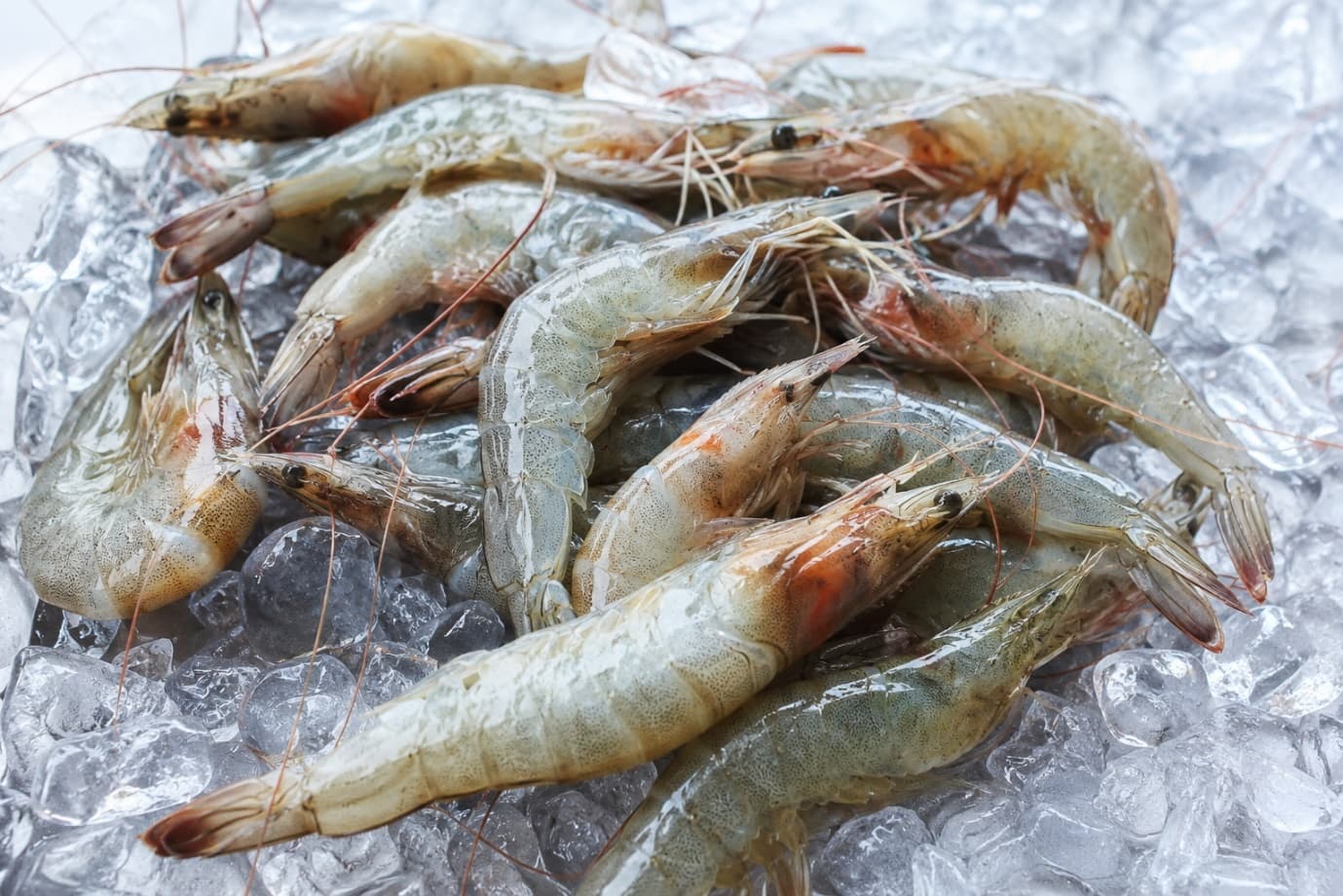
Shrimp is one of the most consumed seafood products in the world, but it is also surrounded by many questions. Consumers often wonder whether farmed shrimp is safe, whether antibiotics are used during production, and whether wild shrimp is healthier than farmed shrimp. These concerns have led many people to hesitate before including shrimp in their diets.
The good news is that modern shrimp farming has evolved significantly over the past two decades. Today, responsible shrimp farms follow strict farming practices, water quality management, biosecurity protocols, and food safety standards to produce healthy and high-quality shrimp. Countries like India export shrimp to some of the world's most demanding markets, where products must meet rigorous quality and safety requirements.
So, is farmed shrimp safe? The answer is yes—when it is produced responsibly and purchased from trusted sources. Let's understand why.
How Farmed Shrimp Is Produced
Before discussing safety, it is important to understand how shrimp farming works.
Farmed shrimp are raised in specially designed ponds where farmers carefully manage water quality, feed, stocking density, and shrimp health throughout the production cycle. Unlike natural waters, farming ponds allow better control over environmental conditions, helping farmers produce consistent, high-quality shrimp.
Modern shrimp farms regularly monitor important water quality parameters such as dissolved oxygen, pH, salinity, temperature, ammonia, and nitrite. Healthy pond conditions help shrimp grow efficiently while reducing stress and disease risks.
Responsible farming focuses on prevention through good management rather than relying on treatments after problems occur.
Is Farmed Shrimp Safe to Eat in India?
One of the most common questions consumers ask is "Is farmed shrimp safe to eat in India?"
India is one of the world's largest shrimp-exporting countries, supplying shrimp to markets including the United States, Japan, China, Canada, and the European Union. These countries have strict import regulations regarding food safety, hygiene, and quality.
Before export, shrimp undergo multiple quality checks, laboratory testing, and processing under regulated conditions. Export-oriented processing plants follow internationally recognized food safety systems designed to ensure product quality.
This means that shrimp produced by responsible Indian farms and processed by certified facilities meets some of the highest food safety standards in the global seafood industry.
Consumers purchasing shrimp from reputable brands and trusted retailers can be confident about its safety and quality.
Are Farmed Shrimp Healthy?
Another frequently asked question is "Are farmed shrimp healthy?"
Yes.
Farmed shrimp are an excellent source of high-quality protein while remaining naturally low in calories and saturated fat. They also provide important nutrients including:
- Vitamin B12
- Selenium
- Iodine
- Phosphorus
- Zinc
- Omega-3 fatty acids
These nutrients support muscle growth, immunity, thyroid function, brain health, and overall well-being.
When prepared using healthy cooking methods such as steaming, grilling, baking, or lightly sautéing, shrimp can be an excellent addition to a balanced diet.
Farmed Shrimp vs Wild Shrimp Safety
Many consumers compare farmed shrimp vs wild shrimp safety and assume wild shrimp is always safer.
The reality is more balanced.
Wild shrimp live in natural marine environments where water quality, pollution, and food availability cannot be controlled. Farmed shrimp, on the other hand, are raised under managed conditions where farmers monitor water quality, feeding, and shrimp health every day.
Both farmed and wild shrimp can be safe when harvested, handled, processed, and stored properly.
Rather than choosing between farmed and wild shrimp, consumers should focus on buying shrimp from reliable suppliers who follow proper food safety practices.
Are Antibiotics Used in Shrimp Farming?
One of the biggest concerns surrounding shrimp farming is the use of antibiotics.
Consumers often search for antibiotic-free farmed shrimp because they want safe and healthy seafood.
Responsible shrimp farming focuses primarily on disease prevention rather than routine antibiotic use.
Farmers maintain good water quality, use healthy Specific Pathogen Free (SPF) shrimp seed, implement biosecurity measures, and follow proper pond management practices to reduce disease risks naturally.
Export markets also enforce strict regulations regarding antibiotic residues. Shrimp intended for export is tested regularly to ensure compliance with food safety requirements.
This system helps maintain consumer confidence in export-quality seafood.
Shrimp Food Safety Standards
Modern shrimp food safety standards begin long before shrimp reaches consumers.
Food safety includes every stage of production:
- Healthy hatchery seed.
- Clean pond preparation.
- Water quality management.
- Responsible feeding.
- Disease prevention.
- Hygienic harvesting.
- Proper icing.
- Cold-chain transportation.
- Hygienic processing.
- Safe packaging.
Maintaining quality throughout the production chain helps preserve freshness while reducing contamination risks.
Food safety is a shared responsibility involving farmers, processors, exporters, retailers, and consumers.
Export Quality Shrimp in India
India has earned a strong international reputation for producing export quality shrimp in India.
Processing plants supplying global markets follow internationally accepted quality systems and undergo regular inspections to maintain compliance with importing country requirements.
These standards cover hygiene, traceability, processing conditions, product testing, and documentation.
The same infrastructure that supports exports also improves the quality of shrimp available in domestic markets.
As India's seafood industry continues to modernize, consumers benefit from better quality products and stronger food safety systems.
Is Frozen Farmed Shrimp Safe?
Another common concern is "Is frozen farmed shrimp safe?"
Yes.
Modern freezing technology preserves shrimp soon after harvest, helping maintain freshness, nutritional value, and product quality.
Properly frozen shrimp often reaches consumers in excellent condition because freezing slows bacterial growth and extends shelf life.
Consumers should simply ensure that frozen shrimp has been stored correctly and thawed safely before cooking.
Frozen shrimp remains one of the safest and most convenient seafood options available today.
Myths About Farmed Shrimp
Several myths about farmed shrimp continue to circulate despite advances in aquaculture.
Some people believe all farmed shrimp contains antibiotics.
Others assume frozen shrimp is unhealthy.
Some think farmed shrimp is always inferior to wild shrimp.
Scientific evidence does not support these general assumptions.
Modern shrimp farming relies increasingly on biosecurity, responsible water quality management, disease prevention, traceability, and food safety regulations.
Consumers should base purchasing decisions on verified information rather than outdated misconceptions.
How Consumers Can Choose Safe Shrimp
Buying safe shrimp is simple when consumers follow a few basic guidelines.
Choose shrimp from trusted seafood retailers or well-known brands.
Look for clean packaging and proper refrigeration.
Avoid products with unusual odours or damaged packaging.
Keep shrimp refrigerated or frozen until cooking.
Cook shrimp thoroughly using safe food handling practices.
These simple precautions help ensure both quality and safety.
Conclusion
So, how safe is farmed shrimp?
When produced using responsible farming practices and processed under proper food safety standards, farmed shrimp is a safe, nutritious, and high-quality seafood choice.
India's shrimp industry has invested heavily in better farming practices, biosecurity, traceability, processing technology, and export-quality production systems that meet the expectations of global markets.
Consumers no longer need to rely on outdated myths when evaluating shrimp. Understanding modern aquaculture and shrimp quality standards helps people make informed food choices based on science rather than misinformation.
Whether fresh or frozen, responsibly farmed shrimp offers excellent nutrition, outstanding taste, and high levels of food safety. As awareness continues to grow, farmed shrimp will remain an important source of healthy protein for millions of consumers in India and around the world.


