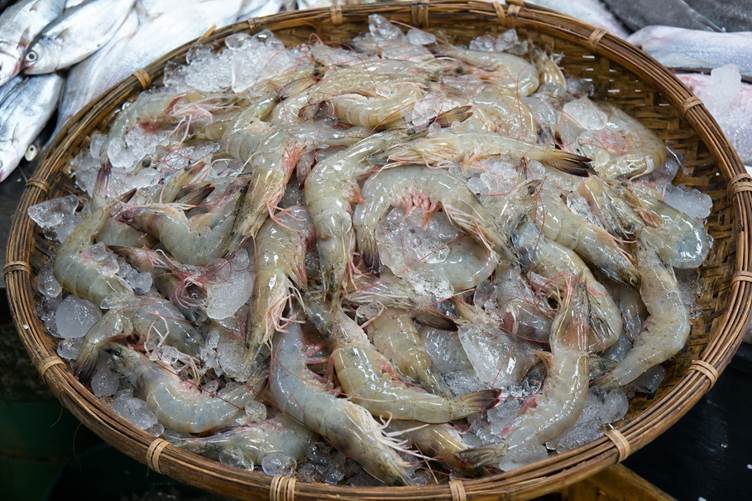
India is one of the world’s leading shrimp-producing nations, supplying high-quality shrimp to countries such as the United States, China, Japan, and members of the European Union. The Indian shrimp industry has become a global success story, with shrimp exports contributing billions of dollars to the country’s economy every year. Yet, despite this remarkable achievement, shrimp consumption in India remains surprisingly low.
This creates an interesting paradox. India is trusted by millions of consumers around the world for its shrimp, but most Indians rarely include shrimp in their regular diet. Understanding why shrimp consumption is low in India reveals not only the challenges facing the domestic seafood market but also one of the biggest growth opportunities for the country’s aquaculture sector.
India’s Position in the Global Shrimp Industry
Over the last two decades, India has emerged as one of the world’s largest producers and exporters of farmed shrimp. States such as Andhra Pradesh, Gujarat, Odisha, Tamil Nadu, and West Bengal have played a significant role in driving production through modern aquaculture practices.
The shrimp industry supports millions of livelihoods, including hatcheries, feed manufacturers, shrimp farmers, processors, cold storage operators, transport companies, exporters, and seafood retailers. Indian shrimp is known internationally for its quality, traceability, and compliance with strict food safety standards, making it highly competitive in global markets.
However, while exports continue to grow, the Indian domestic shrimp market has not expanded at the same pace.
Why Is Shrimp Consumption Low in India?
There are several reasons why Indians eat less shrimp compared to many other countries.
One of the biggest factors is food culture. India has diverse dietary habits, and seafood consumption varies widely between coastal and inland regions. While coastal states regularly consume seafood, many inland states rely more on chicken, mutton, or vegetarian diets.
Another reason is limited consumer awareness. Many people still believe shrimp is expensive, difficult to cook, or meant only for special occasions. Some consumers also have misconceptions about shrimp and health, particularly regarding cholesterol, even though scientific studies have shown that shrimp can be part of a healthy and balanced diet.
Availability also plays a role. Fresh seafood is not easily accessible in every city, and although frozen seafood is becoming more common, many consumers are still unfamiliar with buying or preparing frozen shrimp.
These factors together explain why shrimp consumption is low in India, despite the country’s leadership in global shrimp production.
Indian Seafood Consumption Trends Are Changing
Although seafood consumption has traditionally been concentrated in coastal regions, recent years have shown encouraging signs of change.
Urbanization, higher disposable incomes, improved cold-chain infrastructure, online seafood delivery platforms, and changing lifestyles are making seafood more accessible than ever before.
Consumers today are becoming increasingly health conscious. They are looking for foods that are high in protein, low in calories, and easy to prepare. Shrimp perfectly fits these requirements.
These changing Indian seafood consumption trends present a significant opportunity for expanding the domestic shrimp market over the coming years.
Benefits of Eating Shrimp in India
One of the strongest reasons to promote domestic shrimp consumption is its nutritional value.
The benefits of eating shrimp in India extend far beyond taste. Shrimp is an excellent source of high-quality protein, making it ideal for children, working professionals, athletes, and older adults. It is naturally low in calories and contains essential nutrients such as vitamin B12, iodine, selenium, phosphorus, zinc, and omega-3 fatty acids.
Unlike many processed protein sources, shrimp provides valuable nutrition while supporting a balanced diet. As awareness about healthy eating continues to grow, shrimp has the potential to become an important part of India’s protein basket.
Why a Strong Domestic Shrimp Market Matters
Today, the Indian shrimp industry depends heavily on exports. While export markets have created enormous opportunities, they also expose farmers and processors to international price fluctuations, trade restrictions, currency movements, and changing consumer demand.
A stronger domestic seafood market in India would reduce this dependence by creating a reliable local customer base.
If more Indian consumers regularly purchased shrimp, farmers would have additional marketing options, processors could develop products specifically for Indian households, and retailers would expand seafood offerings across supermarkets and online platforms.
A healthy domestic market would make the entire shrimp value chain more stable and resilient.
Building Shrimp Demand in the Indian Market
Increasing shrimp demand in the Indian market requires more than simply producing larger quantities of shrimp.
Consumer education is equally important. Many people still do not know how to clean, cook, or store shrimp. Awareness campaigns highlighting nutritional benefits, recipe ideas, food safety, and cooking convenience can encourage first-time buyers to become regular consumers.
Retail innovation can also make a significant difference. Ready-to-cook shrimp, peeled and deveined shrimp, marinated products, frozen meal kits, and affordable family-sized packs can make seafood more convenient for modern households.
Restaurants, food delivery platforms, supermarkets, and online seafood brands all have an important role to play in introducing shrimp to new consumers.
The Future of Shrimp Consumption in India
The future of shrimp consumption in India looks promising.
As incomes rise, urban populations grow, and cold-chain infrastructure expands, shrimp is becoming more accessible across the country. Digital grocery platforms and quick-commerce services are also making it easier for consumers to purchase frozen seafood without visiting traditional fish markets.
Government initiatives promoting fisheries, combined with increasing awareness about nutrition and healthy eating, are expected to further support the growth of the domestic shrimp market.
Industry experts believe that the next phase of Indian shrimp industry growth will depend not only on exports but also on building strong domestic demand. A balanced industry supported by both international and local markets will provide greater long-term stability for farmers, processors, exporters, and retailers.
Conclusion
India has earned a reputation as one of the world’s leading shrimp exporters, but its domestic market remains largely untapped. Increasing shrimp consumption in India represents one of the biggest opportunities for the country’s seafood sector.
Greater awareness, improved retail availability, better cold-chain infrastructure, innovative seafood products, and consumer education can transform the way Indians view shrimp. As more people discover its nutritional benefits and convenience, shrimp has the potential to become an everyday protein source rather than an occasional luxury.
The future of the shrimp market lies not only in serving international buyers but also in encouraging millions of Indian families to enjoy the high-quality shrimp that is already produced within the country. A stronger domestic market will support farmers, strengthen the shrimp industry, improve food security, and contribute to the sustainable growth of seafood India for years to come.