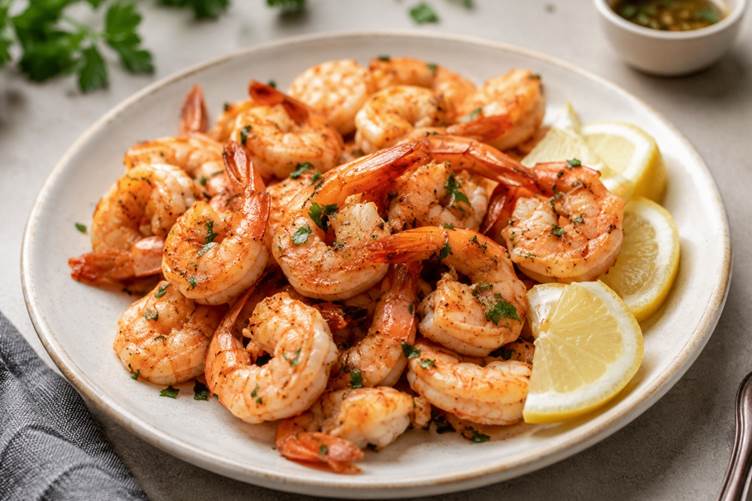
When people think about healthy sources of protein, foods like chicken, eggs, fish, and lentils often come to mind. However, one highly nutritious food is frequently overlooked—shrimp. Despite being one of the most popular seafood products in the world, many people are still unaware of the incredible shrimp benefits and the important role it can play in a healthy diet.
Shrimp is more than just a delicious seafood choice. It is packed with high-quality protein, essential vitamins and minerals, healthy fats, and antioxidants while remaining naturally low in calories. Whether your goal is to build muscle, lose weight, improve heart health, or simply enjoy a balanced diet, shrimp is one of the healthiest proteins you can include in your meals.
Let’s explore why shrimp deserves a place on your plate.
Shrimp Is Packed with High-Quality Protein
One of the biggest shrimp benefits is its impressive protein content.
Protein is an essential nutrient that helps build muscles, repair body tissues, strengthen the immune system, and support healthy skin, hair, and bones. Every cell in the human body depends on protein to function properly.
Many people search for shrimp protein per 100 grams because they want to compare it with other protein sources. On average, 100 grams of cooked shrimp provides around 20–24 grams of high-quality protein, depending on the variety and cooking method.
Unlike many processed protein foods, shrimp contains complete protein, meaning it provides all the essential amino acids that the body cannot produce on its own.
For athletes, fitness enthusiasts, growing children, and older adults, shrimp protein offers an excellent way to meet daily protein requirements.
Shrimp Is Naturally Low in Calories
Another reason why nutrition experts recommend shrimp is its low calorie content.
Many people searching for shrimp calories are surprised to learn that a 100-gram serving of cooked shrimp contains only about 90–100 calories.
This makes shrimp one of the best low-calorie seafood options available.
Unlike heavily processed foods that contain excess sugar and unhealthy fats, shrimp delivers maximum nutrition with relatively few calories.
This combination of high protein and low calories makes shrimp an excellent choice for anyone trying to maintain a healthy lifestyle.
Is Shrimp Good for Weight Loss?
One of the most common questions people ask is, “Is shrimp good for weight loss?”
The answer is yes.
Shrimp is naturally low in calories while being rich in protein. High-protein foods help people feel full for longer, reducing unnecessary snacking and overeating. Protein also supports muscle maintenance during weight loss, helping the body burn calories more efficiently.
When prepared using healthy cooking methods such as steaming, grilling, baking, or lightly sautéing, shrimp can become an excellent addition to a weight management diet.
Of course, the cooking method matters. Deep-fried shrimp or shrimp served with heavy cream-based sauces may contain significantly more calories than simply cooked shrimp.
Omega-3 in Shrimp Supports Heart Health
Seafood is well known for containing healthy fats, and shrimp is no exception.
Although shrimp contains less omega-3 than fatty fish like salmon or mackerel, it still provides beneficial omega-3 in shrimp that supports overall health.
Omega-3 fatty acids are known to:
- Support heart health
- Reduce inflammation
- Improve brain function
- Promote healthy blood circulation
- Support eye health
Including seafood such as shrimp in a balanced diet can contribute to better long-term cardiovascular health.
Shrimp Is Rich in Essential Vitamins and Minerals
Beyond protein, shrimp provides an impressive range of nutrients that many people do not get enough of in their daily diet.
The vitamins and minerals in shrimp include:
- Vitamin B12, which supports nerve function and red blood cell production.
- Selenium, a powerful antioxidant that helps protect cells from damage.
- Iodine, which is essential for proper thyroid function.
- Phosphorus, which supports healthy bones and teeth.
- Zinc, which plays an important role in immunity and wound healing.
- Copper, which contributes to energy production and overall metabolism.
These nutrients work together to support overall health and make shrimp one of the most nutrient-dense seafood choices available.
Shrimp vs Chicken Protein: Which Is Better?
Many consumers compare shrimp vs chicken protein when planning a healthy diet.
Both are excellent sources of lean protein, but each has its own advantages.
Chicken is widely available and affordable, making it a staple protein in many households. Shrimp, however, offers additional nutritional benefits because it provides important minerals like iodine and selenium that chicken contains in smaller amounts.
Shrimp is also naturally lower in calories than many cuts of chicken while delivering similar levels of high-quality protein.
Rather than choosing one over the other, nutrition experts often recommend including a variety of protein sources in a balanced diet.
Is Shrimp Healthy to Eat Every Day?
A common question is “Is shrimp healthy to eat every day?”
For most healthy individuals, shrimp can certainly be part of a balanced diet when consumed in appropriate portions.
Like any food, variety is important. Combining shrimp with vegetables, whole grains, fruits, and other protein sources helps ensure a well-rounded nutritional intake.
People with seafood allergies should avoid shrimp, and individuals with specific medical conditions should follow advice from their healthcare provider. However, for the general population, shrimp is considered a nutritious seafood option that fits well into a healthy eating pattern.
Common Myths About Shrimp
Despite its nutritional value, several myths continue to discourage people from eating shrimp.
One common misconception is that shrimp is unhealthy because it contains cholesterol.
Modern nutrition research suggests that, for most people, dietary cholesterol has a much smaller impact on blood cholesterol than previously believed. Overall diet, saturated fat intake, physical activity, and lifestyle play much larger roles in heart health.
Another myth is that frozen shrimp is less nutritious than fresh shrimp.
In reality, modern freezing technology preserves most of shrimp’s nutritional value, making frozen shrimp a convenient and healthy option throughout the year.
Understanding these facts helps consumers make informed food choices based on science rather than outdated misconceptions.
Health Benefits of Eating Shrimp
The overall health benefits of eating shrimp make it one of the best protein choices available.
Regularly including shrimp as part of a balanced diet may help:
- Build and maintain lean muscle.
- Support healthy weight management.
- Improve heart health.
- Strengthen the immune system.
- Support brain and nervous system function.
- Promote healthy bones and teeth.
- Provide essential vitamins and minerals.
- Increase overall protein intake without excessive calories.
These advantages explain why shrimp is recommended by many nutrition professionals as part of a healthy eating pattern.
Conclusion
Shrimp is much more than a delicious seafood delicacy. It is one of nature’s most nutritious protein sources, offering an excellent balance of high-quality protein, essential vitamins and minerals, beneficial omega-3 fatty acids, and relatively low calories.
Whether you are looking to build muscle, manage your weight, improve your nutrition, or simply enjoy healthier meals, the nutritional benefits of shrimp make it an excellent choice.
As awareness about healthy eating continues to grow in India, shrimp has the potential to become an everyday source of nutrition rather than an occasional luxury. By understanding why shrimp is a healthy protein, consumers can make informed dietary choices that benefit both their health and the growing Indian seafood sector.
Adding shrimp to your weekly meals is not only a tasty decision—it is a smart nutritional investment for a healthier future.