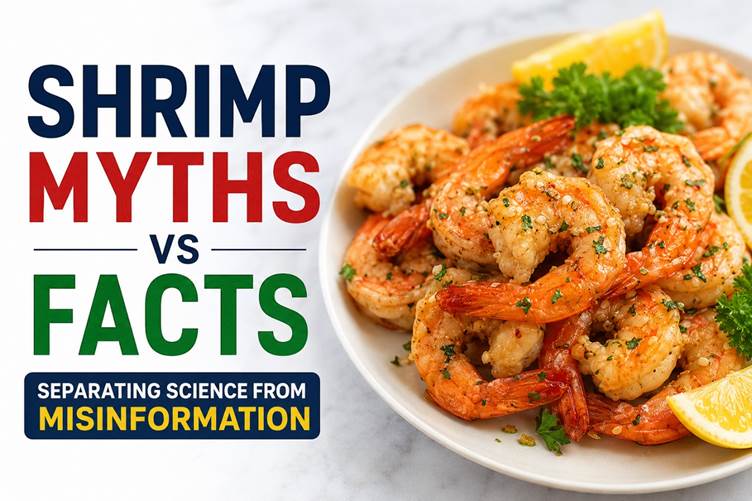
Shrimp is one of the most popular seafood products in the world, yet it is also one of the most misunderstood. From concerns about cholesterol to questions about farmed shrimp, frozen shrimp, and food safety, many people avoid eating shrimp because of myths that have been passed down for years.
The problem is that much of this information is outdated or simply incorrect. Modern scientific research has answered many of these questions, helping consumers make informed decisions based on facts rather than misconceptions.
In this article, we separate shrimp myths from scientific evidence to help you better understand the truth about shrimp, its nutritional value, and its safety.
Myth 1: Shrimp Increases Cholesterol
One of the most common shrimp myths is that eating shrimp significantly increases cholesterol levels and is harmful to heart health.
Fact:
This belief comes from the fact that shrimp naturally contains dietary cholesterol. However, modern nutrition research has shown that dietary cholesterol has much less impact on blood cholesterol than previously believed for most healthy people.
Experts now agree that saturated fats and trans fats have a much greater effect on raising unhealthy LDL cholesterol than foods naturally containing cholesterol.
Shrimp is also naturally low in saturated fat and provides important nutrients such as omega-3 fatty acids, selenium, iodine, and high-quality protein.
So, does shrimp increase cholesterol?
For most healthy individuals, moderate shrimp consumption does not significantly increase blood cholesterol levels when eaten as part of a balanced diet. People with specific medical conditions should always follow the advice of their healthcare professional.
Myth 2: Shrimp Is Unhealthy
Another widespread misconception is that shrimp is unhealthy and should be avoided.
Fact:
The opposite is true.
Shrimp is one of the most nutrient-rich seafood choices available. It is naturally high in protein while remaining low in calories and fat.
A 100-gram serving of cooked shrimp provides around 20–24 grams of high-quality protein along with essential nutrients including:
- Vitamin B12
- Selenium
- Iodine
- Phosphorus
- Zinc
- Copper
Shrimp also contains beneficial omega-3 fatty acids that support heart and brain health.
These scientific facts about shrimp clearly show that shrimp can be an excellent part of a healthy and balanced diet.
Myth 3: Farmed Shrimp Is Not Safe to Eat
Many consumers believe that farmed shrimp is unsafe compared to wild-caught shrimp.
Fact:
Modern shrimp farming has changed significantly over the past two decades.
Today, reputable shrimp farms follow strict biosecurity measures, water quality management, disease monitoring, and food safety protocols. India, one of the world’s largest shrimp exporters, produces shrimp that meets stringent quality standards required by international markets.
Every shipment intended for export undergoes multiple quality checks before reaching consumers.
So, is farmed shrimp safe to eat?
Yes. Shrimp produced by responsible farms and processed by certified facilities is safe to eat. Consumers should purchase shrimp from trusted brands, licensed retailers, or reputable seafood suppliers.
Myth 4: Wild Shrimp Is Always Better Than Farmed Shrimp
Many people automatically assume that wild shrimp is healthier and of better quality.
Fact:
The debate around farmed shrimp vs wild shrimp is more complex than simply deciding which is better.
Wild shrimp and farmed shrimp both have their own advantages.
Wild shrimp grows naturally in oceans, while farmed shrimp is raised under controlled conditions with careful management of water quality, feed, and health.
Farmed shrimp generally offers more consistent size, year-round availability, and stable quality. Wild shrimp, on the other hand, may have seasonal availability and natural variations in size and texture.
Rather than asking which is universally better, consumers should focus on buying shrimp from reliable and responsible sources.
Myth 5: Antibiotics Are Always Used in Shrimp Farming
One of the biggest concerns surrounding shrimp farming involves antibiotics.
People often ask, “Are antibiotics used in shrimp farming?”
Fact:
Responsible shrimp farming aims to prevent disease through biosecurity, pond management, good water quality, healthy seed selection, and proper nutrition rather than relying on antibiotics.
Countries that export shrimp, including India, have strict regulations regarding antibiotic residues in exported seafood.
Processing plants and export consignments are routinely tested to ensure compliance with food safety standards.
While misuse of antibiotics can occur in any livestock sector, responsible shrimp producers follow regulations designed to ensure safe products reach consumers.
This is one reason why traceability and certification have become increasingly important in the seafood industry.
Myth 6: Frozen Shrimp Is Less Nutritious Than Fresh Shrimp
Many consumers believe fresh shrimp is always healthier than frozen shrimp.
Fact:
When comparing frozen shrimp vs fresh shrimp, the difference is often much smaller than people think.
Modern freezing technologies preserve shrimp shortly after harvest, locking in freshness and nutritional value.
In many cases, shrimp sold as “fresh” has actually been previously frozen during transportation and distribution.
Frozen shrimp also offers several advantages:
- Longer shelf life
- Reduced food waste
- Convenient storage
- Year-round availability
- Consistent quality
Properly frozen shrimp can be just as nutritious as fresh shrimp when handled correctly.
Myth 7: You Should Avoid Eating Shrimp Regularly
Many people believe shrimp should only be eaten occasionally.
Fact:
A frequently searched question is, “Can you eat shrimp every day?”
For most healthy adults, shrimp can be safely included as part of a balanced diet.
Like any food, variety is important. Nutrition experts recommend consuming different protein sources, including seafood, poultry, eggs, legumes, and dairy products.
Shrimp provides high-quality protein, important vitamins and minerals, and relatively few calories, making it an excellent addition to weekly meal plans.
Individuals with seafood allergies or specific medical conditions should follow medical advice, but for the general population, moderate shrimp consumption is considered healthy.
Why Do These Shrimp Myths Continue?
Many common myths about shrimp originated decades ago when scientific understanding of nutrition was more limited.
Since then, nutrition science has advanced considerably.
Unfortunately, old information often spreads faster than updated research. Social media, word-of-mouth discussions, and outdated articles continue to repeat misconceptions that have already been disproven.
Consumers should rely on information from qualified nutrition experts, scientific research, government food safety authorities, and trusted seafood organizations rather than unverified online claims.
Understanding Shrimp Nutrition Through Science
When examining shrimp nutrition myths explained through scientific evidence, the picture becomes much clearer.
Shrimp offers:
- High-quality complete protein
- Low calorie content
- Low saturated fat
- Essential vitamins and minerals
- Beneficial omega-3 fatty acids
- Excellent nutritional value
These characteristics make shrimp one of the healthiest seafood options available.
The key is choosing shrimp from trusted sources and preparing it using healthy cooking methods such as steaming, grilling, baking, or lightly sautéing instead of deep frying.
Conclusion
Misinformation has caused many consumers to misunderstand shrimp for years. Fortunately, modern science provides clear answers to the most common questions about shrimp nutrition and food safety.
The evidence shows that shrimp is a nutritious, protein-rich seafood that can be safely enjoyed as part of a balanced diet. Concerns about cholesterol, farmed shrimp, frozen shrimp, and food safety should be understood in the context of current scientific research rather than outdated myths.
As awareness grows and consumers become better informed, shrimp has the opportunity to become an even more important source of healthy protein in India and around the world.
The next time you hear someone repeat one of these shrimp myths, remember that science tells a very different story. Making food choices based on facts—not misinformation—is the best way to enjoy the many nutritional and health benefits that shrimp has to offer.