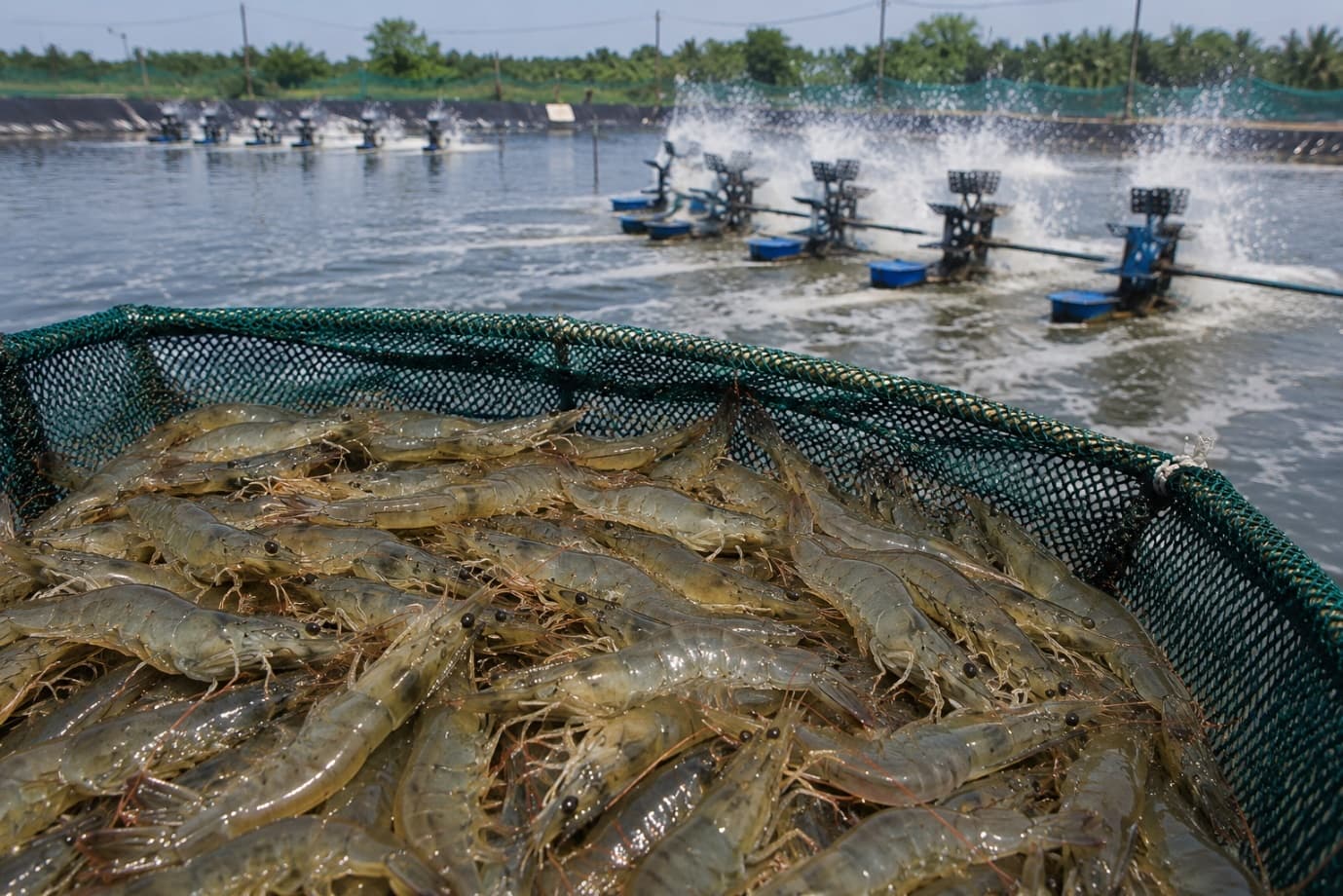
Shrimp farming has become one of the fastest-growing sectors of aquaculture, contributing significantly to India's seafood exports and rural economy. However, one of the biggest challenges faced by shrimp farmers is disease. A single disease outbreak can reduce growth, increase mortality, lower harvest quality, and result in substantial financial losses.
Unlike many livestock diseases, shrimp diseases often spread quickly because shrimp live in a shared aquatic environment. Once a disease enters a pond, treatment options are usually limited. That is why successful shrimp farmers focus on prevention rather than cure.
Modern shrimp farming is built on good pond management, water quality, healthy seed, and strong biosecurity practices. Understanding the common diseases affecting shrimp and recognizing their early warning signs can help farmers protect their crops and improve profitability.
Why Disease Prevention Is More Important Than Treatment
One of the biggest lessons in aquaculture is that preventing disease is far easier and more effective than treating it.
Shrimp have a relatively simple immune system compared to other farm animals. When they become stressed due to poor water quality, overcrowding, or environmental changes, they become more vulnerable to infections.
Once disease spreads across a pond, farmers often have very few treatment options. Mortality can increase rapidly, feed consumption declines, and growth slows significantly.
For this reason, every shrimp health management guide begins with prevention through proper farm management and biosecurity.
Common Diseases in Shrimp Farming
Several diseases can affect farmed shrimp, but a few have become particularly important because of their impact on production.
Understanding these common diseases in shrimp farming helps farmers identify problems early and take appropriate preventive measures.
White Spot Syndrome Virus (WSSV)
One of the most feared shrimp diseases is White Spot Syndrome Virus (WSSV).
White spot disease in shrimp spreads rapidly and can cause extremely high mortality within a short period if not controlled.
Common signs include:
- White spots on the shell
- Reduced feeding
- Slow movement
- Shrimp gathering near pond edges
- Sudden mass mortality
Since WSSV is caused by a virus, there is no specific cure. Preventing the virus from entering the farm through strong biosecurity remains the most effective strategy.
Enterocytozoon hepatopenaei (EHP)
Another important disease affecting shrimp farming is EHP.
Unlike WSSV, EHP does not usually cause heavy mortality. Instead, it affects shrimp growth, resulting in uneven sizes and poor production performance.
Some common EHP disease symptoms in shrimp include:
- Slow growth
- Size variation within the pond
- Reduced feed efficiency
- Poor harvest weight
- Delayed crop duration
Because EHP mainly reduces growth rather than causing death, many farmers notice the problem only at harvest.
Using disease-free seed, maintaining good pond hygiene, and preventing contamination are essential for reducing the risk of EHP.
Acute Hepatopancreatic Necrosis Disease (AHPND)
AHPND disease in shrimp farming, also known as Early Mortality Syndrome (EMS), is another serious bacterial disease affecting shrimp.
This disease mainly attacks young shrimp during the early stages of culture.
Common symptoms include:
- Sudden reduction in feed intake
- Empty stomach and gut
- Weak swimming
- Soft shells
- High mortality during the first few weeks after stocking
Good water quality, healthy seed, and effective pond preparation play important roles in reducing the risk of AHPND.
Vibrio Infection in Shrimp
Vibrio bacteria naturally occur in marine and brackish water environments. While low levels are usually harmless, excessive Vibrio populations can become a serious problem.
Vibrio infection in shrimp is often associated with poor water quality, organic waste accumulation, and stressful pond conditions.
Signs may include:
- Reduced feeding
- Slow growth
- Weak swimming
- Shell discoloration
- Increased mortality
Managing organic waste, maintaining dissolved oxygen, and preventing water quality deterioration help keep Vibrio populations under control.
Early Signs of Shrimp Diseases
Recognizing the early signs of shrimp diseases can help farmers respond before serious losses occur.
Some warning signs include:
- Sudden reduction in feed consumption.
- Slow or uneven growth.
- Shrimp swimming near the pond surface.
- Shrimp gathering around pond edges.
- Empty stomach during feed tray observations.
- Soft shells.
- Discoloration.
- Increased mortality.
- Unusual swimming behaviour.
Farmers should investigate immediately whenever these signs appear instead of waiting for the situation to worsen.
How to Prevent Shrimp Diseases
Many farmers ask how to prevent shrimp diseases before stocking a new crop.
Disease prevention begins long before shrimp enter the pond.
Important preventive practices include:
- Preparing ponds properly before stocking.
- Removing sludge and organic waste.
- Using certified SPF (Specific Pathogen Free) shrimp seed.
- Filtering incoming water.
- Maintaining stable water quality.
- Following balanced feeding practices.
- Avoiding overstocking.
- Regularly monitoring shrimp health.
- Keeping accurate farm records.
These practices significantly reduce disease risk while improving shrimp growth and survival.
Biosecurity Measures for Shrimp Farms
Strong biosecurity measures for shrimp farms are among the most effective tools for disease prevention.
Biosecurity simply means preventing harmful pathogens from entering or spreading within the farm.
Important biosecurity practices include:
- Restricting unnecessary visitor access.
- Disinfecting equipment before use.
- Using separate equipment for different ponds.
- Preventing birds, crabs, and wild animals from entering ponds.
- Quarantining new seed when necessary.
- Using screened water inlets.
- Proper disposal of dead shrimp.
- Maintaining clean pond surroundings.
Good biosecurity reduces the chance of introducing viruses, bacteria, and parasites into the farming system.
Water Quality and Disease Are Closely Connected
Many shrimp diseases begin with poor pond management rather than the pathogen itself.
Low dissolved oxygen, unstable pH, high ammonia, excess organic matter, and poor feeding practices create stressful conditions that weaken shrimp immunity.
Healthy shrimp are naturally more resistant to disease.
Maintaining stable water quality, proper aeration, and balanced nutrition allows shrimp to better withstand environmental challenges.
This is why experienced farmers often say that the best disease treatment begins with excellent water quality management.
Building a Healthy Shrimp Farm
Successful shrimp farming depends on creating an environment where shrimp remain healthy throughout the production cycle.
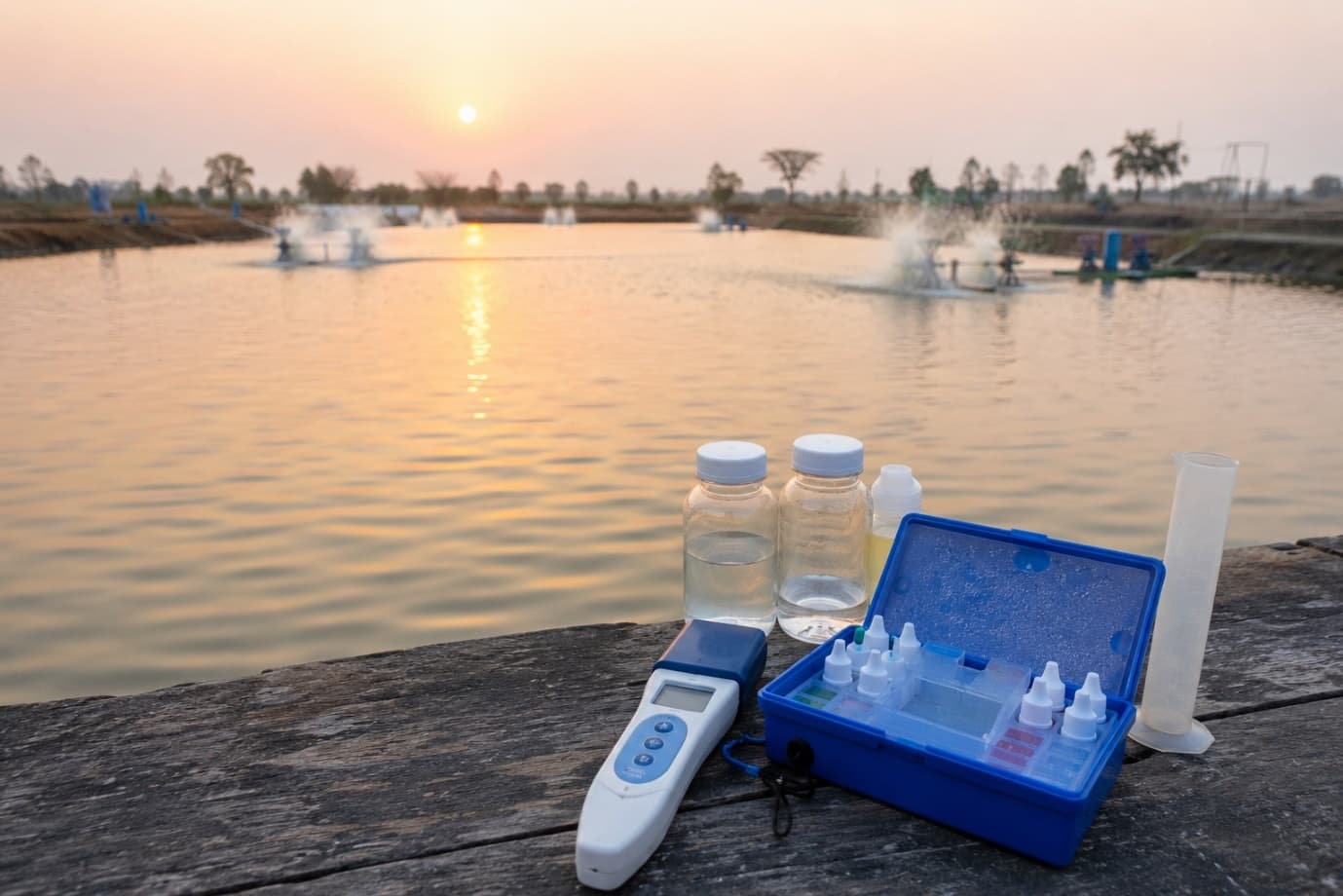
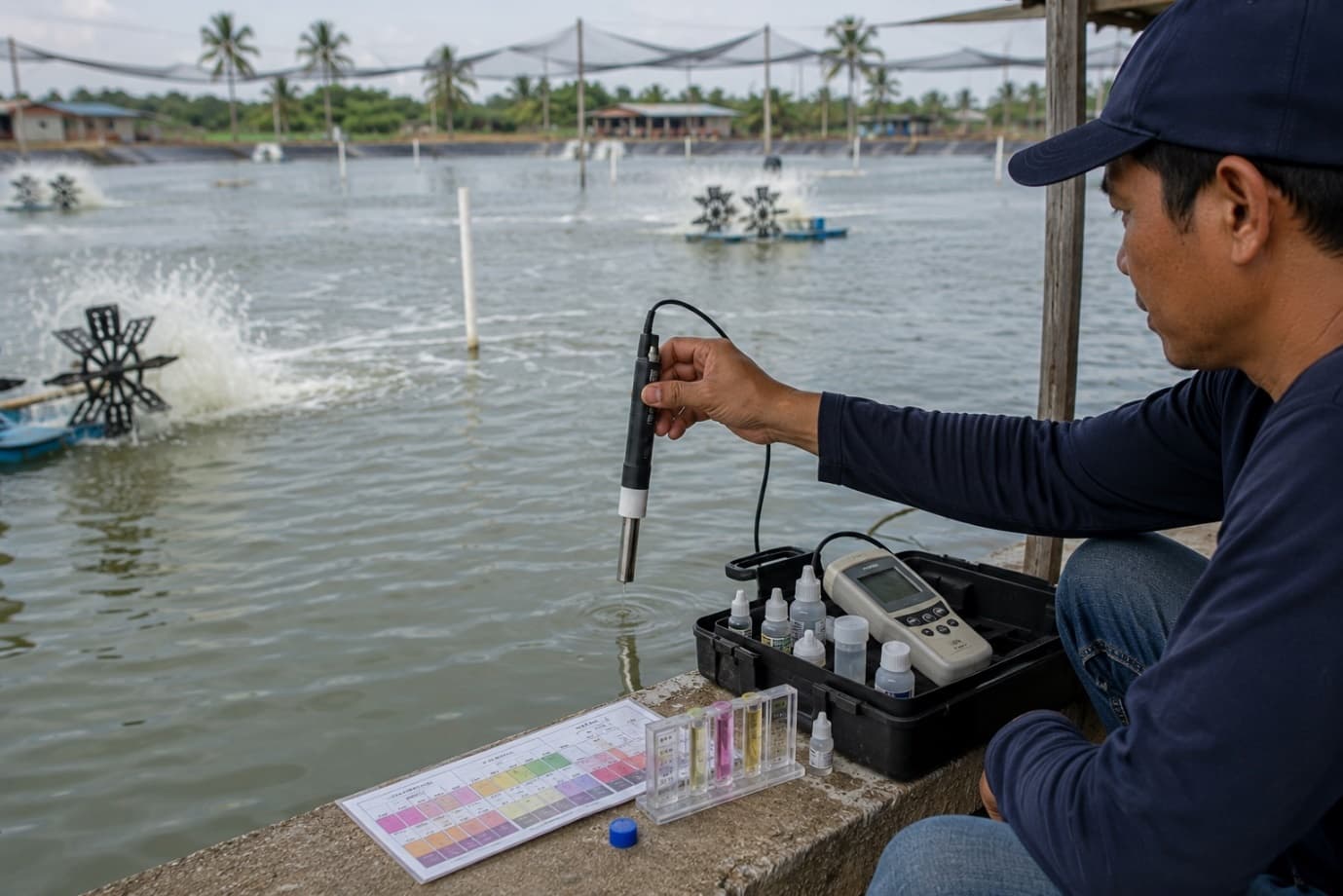
Regular pond observation, routine water testing, proper feeding, good biosecurity, and early disease detection all work together to reduce production risks.
Technology is also helping farmers improve disease prevention. Water quality sensors, automatic feeders, digital farm management systems, and laboratory diagnostics enable faster decision-making and earlier identification of potential problems.
Modern shrimp farming is becoming increasingly preventive rather than reactive.
Conclusion
Disease remains one of the biggest challenges in shrimp farming, but it is also one of the most manageable when farmers focus on prevention instead of treatment.
Understanding shrimp diseases such as WSSV, EHP, AHPND, and Vibrio infections allows farmers to recognize warning signs before they become major outbreaks.
By following effective shrimp disease prevention methods, maintaining excellent water quality, using healthy SPF seed, and implementing strong biosecurity practices, farmers can significantly reduce disease risks and improve farm profitability.
Healthy shrimp grow faster, utilize feed more efficiently, and produce better harvests. In the end, successful shrimp farming is not about treating diseases after they appear—it is about creating pond conditions where diseases are less likely to occur in the first place.