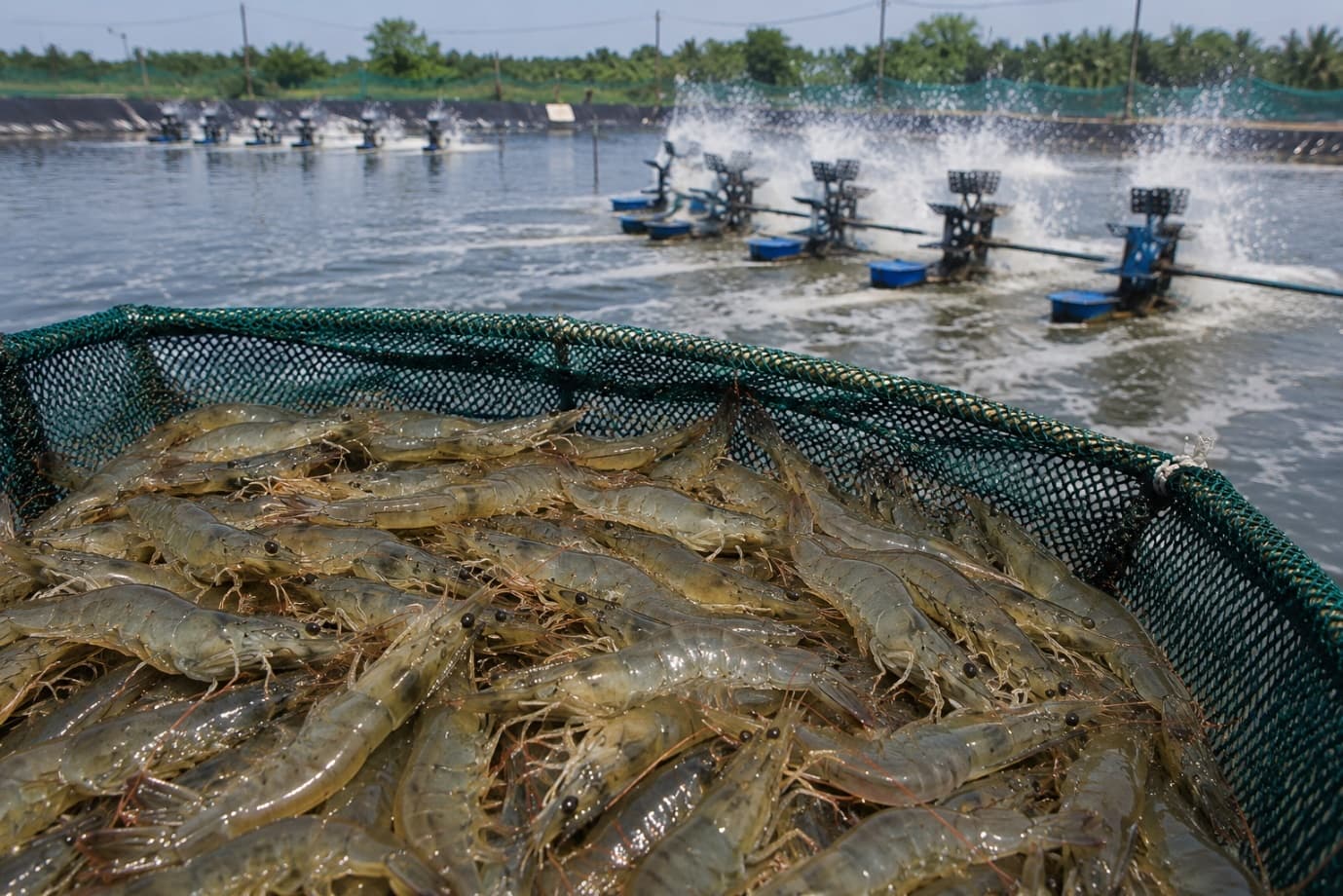
Successful shrimp farming is built on one simple principle: healthy water produces healthy shrimp. While feed quality, seed selection, and disease management are all important, none of them can compensate for poor pond conditions. That is why shrimp pond water testing is considered the most important daily activity on every successful shrimp farm.
Shrimp spend their entire lives in the same pond water. Every aspect of their health—from feeding and growth to immunity and survival—is directly influenced by water quality. Even small changes in pH, dissolved oxygen, ammonia, or salinity can affect shrimp within a matter of hours.
Modern shrimp farming is no longer based on guesswork. Farmers who regularly test their pond water are able to identify problems early, prevent disease outbreaks, improve feed efficiency, and maximize profitability. Daily water testing is not just a routine task—it is one of the best investments a farmer can make.
Why Water Testing Matters
Unlike land animals, shrimp cannot escape from poor environmental conditions. If the pond environment deteriorates, shrimp are forced to remain in stressful conditions until corrective action is taken.
Good shrimp water quality supports:
- Healthy growth
- Better feed conversion ratio (FCR)
- Strong immunity
- Higher survival rates
- Faster growth
- Lower disease risk
- Better harvest quality
Poor water quality, however, often leads to reduced feeding, slow growth, stress, disease outbreaks, and financial losses.
Regular water testing allows farmers to detect changes before shrimp begin showing visible signs of stress.
Daily Water Testing for Shrimp Farms
Experienced farmers understand the importance of daily water testing for shrimp farms.
Water quality changes continuously throughout the day because of sunlight, algae, feeding, shrimp activity, rainfall, and temperature fluctuations.
Testing water only occasionally may allow problems to go unnoticed until they become serious.
Daily monitoring helps farmers identify trends, make timely management decisions, and maintain stable pond conditions throughout the culture cycle.
Consistency is one of the biggest differences between average farms and highly successful shrimp farms.
How to Test Shrimp Pond Water
Many beginners ask how to test shrimp pond water correctly.
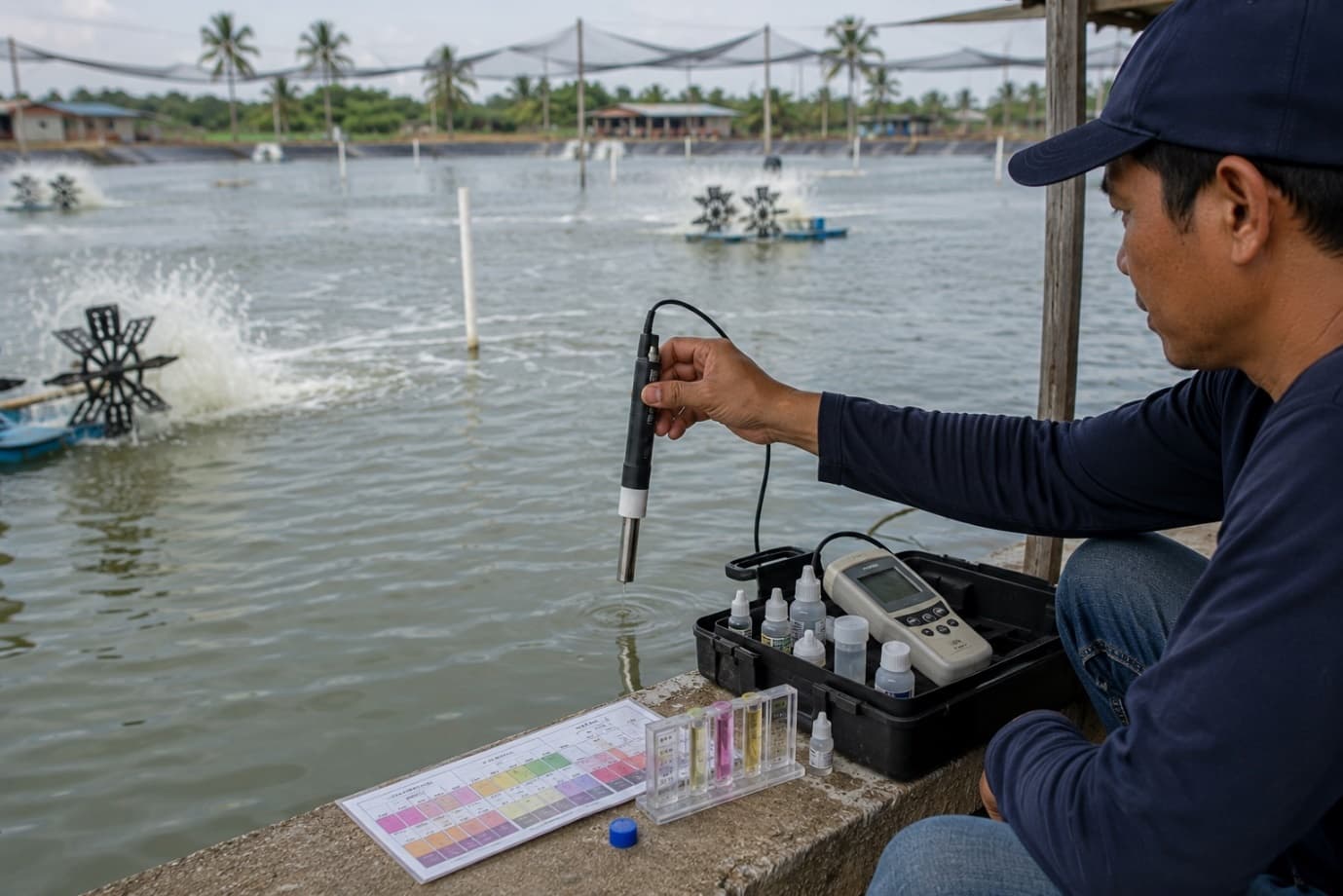
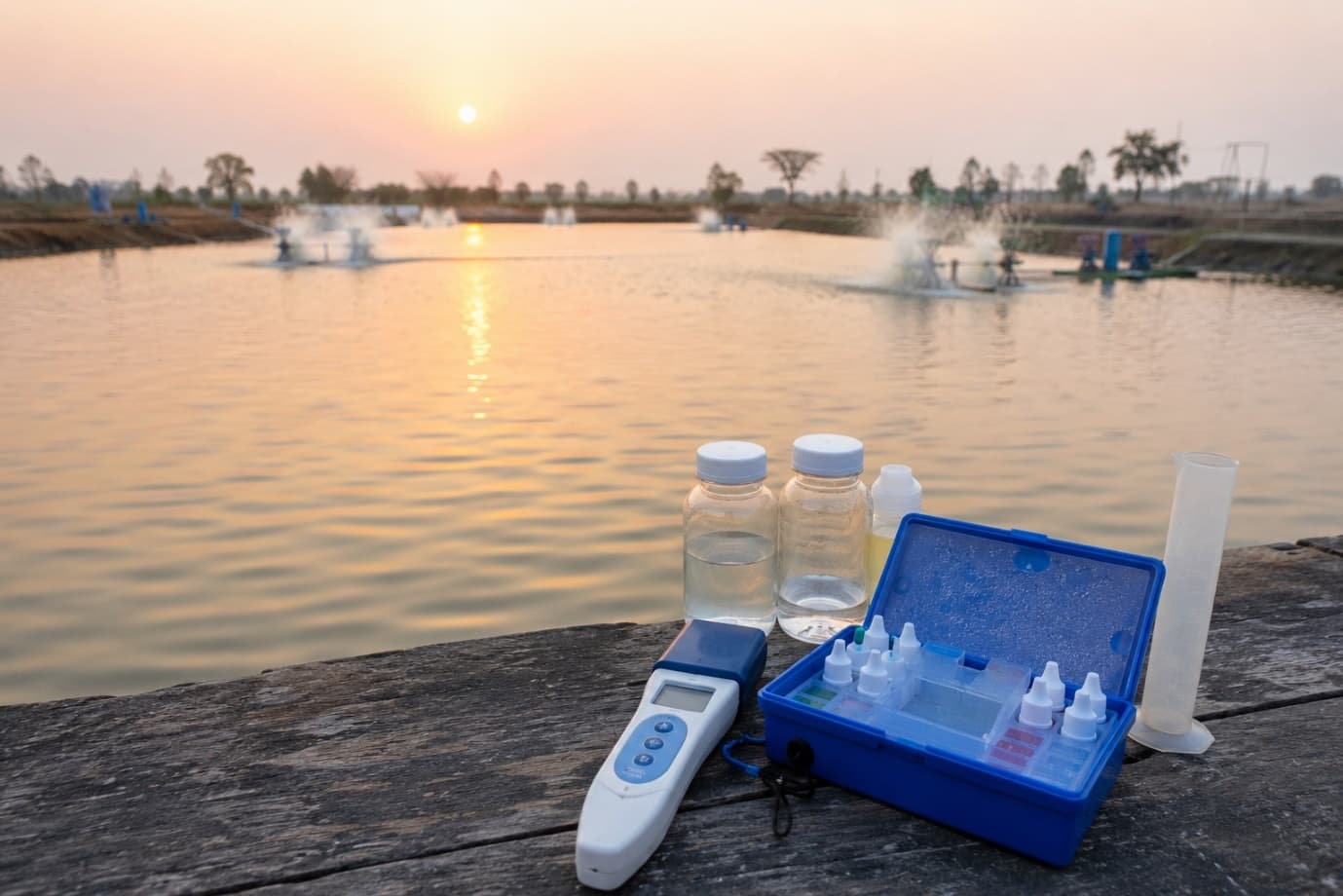
Modern shrimp farms use portable water testing equipment to measure important parameters quickly and accurately.
Routine testing usually includes:
- Dissolved oxygen
- pH
- Temperature
- Salinity
- Ammonia
- Nitrite
- Alkalinity
Some farms also monitor water transparency and plankton levels to better understand overall pond health.
Measurements should be recorded daily so farmers can compare results over time and identify unusual changes before they affect shrimp performance.
pH Testing Is Essential
One of the most important parts of shrimp pond water quality management is regular pH testing.
The pH level indicates whether pond water is acidic or alkaline.
The ideal pH for shrimp ponds generally ranges between 7.5 and 8.5. More important than the exact number is maintaining stability throughout the day.
Large fluctuations in pH can stress shrimp, reduce feed intake, and affect growth.
Regular testing allows farmers to identify unusual pH changes caused by algae, rainfall, or poor pond management.
Maintaining stable pH supports healthier shrimp and a more stable pond ecosystem.
Dissolved Oxygen Levels for Shrimp
Among all water quality parameters, dissolved oxygen is often considered the most critical.
Shrimp require oxygen continuously for respiration. If oxygen levels fall, shrimp become stressed and reduce feeding activity.
The recommended dissolved oxygen levels for shrimp are generally above 5 mg/L, although maintaining higher levels during periods of rapid growth is beneficial.
Low oxygen may result from:
- Overstocking
- Excess organic waste
- High temperatures
- Dense algal blooms
- Inadequate aeration
Regular monitoring allows farmers to operate aerators efficiently before oxygen levels become dangerous.
Ammonia Testing in Shrimp Ponds
Another critical part of pond management is ammonia testing in shrimp ponds.
Ammonia is produced when uneaten feed, shrimp waste, and organic matter decompose.
High ammonia concentrations damage shrimp gills, reduce oxygen uptake, slow growth, and weaken immunity.
Routine testing helps farmers detect ammonia accumulation before it reaches harmful levels.
Maintaining good feeding practices, proper aeration, and healthy microbial activity helps keep ammonia under control.
Nitrite Monitoring in Shrimp Ponds
Closely related to ammonia is nitrite.
Beneficial bacteria naturally convert ammonia into nitrite and eventually into nitrate through the nitrogen cycle.
However, if this biological process becomes unbalanced, nitrite levels can increase.
Regular nitrite monitoring in shrimp ponds helps farmers identify problems before shrimp begin experiencing oxygen stress.
Healthy biological filtration and stable pond conditions support efficient nitrogen cycling.
Salinity Testing for Shrimp Farming
Salinity testing for shrimp farming is particularly important for Vannamei shrimp farms.
Although Vannamei can tolerate a wide range of salinity levels, sudden changes caused by heavy rainfall, evaporation, or water exchange can create stress.
Regular salinity monitoring allows farmers to manage water more effectively and reduce environmental shock.
Maintaining stable salinity supports better growth, feeding behaviour, and survival.
Shrimp Pond Water Quality Management
Effective shrimp pond water quality management involves much more than occasional testing.
Successful farmers combine regular monitoring with timely management actions.
Good management includes:
- Balanced feeding.
- Efficient aeration.
- Proper water exchange when required.
- Sludge management.
- Biosecurity.
- Routine equipment maintenance.
- Daily pond observations.
Water testing provides the information needed to make these management decisions confidently.
Best Water Testing Methods for Shrimp Farms
Several best water testing methods for shrimp farms are available today.
Portable digital meters allow farmers to measure dissolved oxygen, pH, salinity, and temperature quickly in the field.
Water testing kits are commonly used for ammonia, nitrite, and alkalinity measurements.
Advanced farms increasingly use automated sensors that continuously monitor pond conditions and send alerts to mobile phones whenever water quality changes.
These technologies help farmers respond immediately rather than waiting for visible problems to appear.
Regardless of the equipment used, consistency in testing is more important than expensive technology alone.
Shrimp Farm Water Quality Checklist
A practical shrimp farm water quality checklist helps ensure that no important parameter is overlooked.
Every day, farmers should:
- Check dissolved oxygen.
- Measure pH.
- Record water temperature.
- Monitor salinity.
- Test ammonia.
- Test nitrite.
- Observe shrimp feeding behaviour.
- Inspect water colour.
- Check aerators.
- Record all observations.
Maintaining accurate records helps farmers identify long-term trends and improve management decisions in future crops.
Good records are one of the most valuable management tools on any shrimp farm.
Technology Is Improving Water Testing
Modern aquaculture technology is making water monitoring faster and more accurate than ever before.
Digital sensors, Internet of Things (IoT) devices, automated monitoring stations, and mobile farm management applications now allow farmers to receive real-time updates from their ponds.
Some systems can even activate aerators automatically if dissolved oxygen falls below safe levels.
These innovations reduce labour while improving management precision.
As technology becomes more affordable, digital water monitoring is expected to become standard practice across India's shrimp farming industry.
Conclusion
Every successful shrimp crop begins with healthy water, and maintaining healthy water begins with regular shrimp pond water testing.
Daily monitoring of shrimp water quality allows farmers to detect problems early, maintain stable pond conditions, improve feed efficiency, reduce disease risk, and maximize profitability.
Parameters such as pH testing, dissolved oxygen, ammonia, nitrite, and salinity should be monitored consistently throughout the culture period. Water testing is not an additional task—it is the foundation of effective pond management.
As shrimp farming becomes increasingly scientific and technology-driven, farmers who make daily water testing a habit will be better prepared to produce healthier shrimp, achieve stronger harvests, and build more profitable and sustainable aquaculture businesses.