India's shrimp sector has undergone an extraordinary transformation over the past two decades. From a small aquaculture industry serving limited markets, it has grown into one of the world's largest producers and exporters of farmed shrimp. Today, Indian shrimp reaches dinner tables across the United States, Europe, China, Japan, and many other countries, making seafood one of India's most valuable agricultural exports.
While this success is remarkable, the journey is far from complete. The Indian shrimp industry is entering a new phase where growth will no longer depend only on exports. The future will be shaped by domestic consumption, technological innovation, sustainability, and the ability to remain globally competitive.
As consumer preferences change and aquaculture continues to evolve, India has the opportunity not only to remain a leading exporter but also to become a global leader in sustainable and technology-driven shrimp production.
India's Remarkable Growth Story
The growth of shrimp farming in India has been one of the biggest success stories in the country's aquaculture sector.
The introduction of Pacific White Shrimp (Vannamei), improved hatchery technology, better feed, disease management practices, and modern processing facilities have transformed shrimp farming into a major source of income for thousands of farmers.
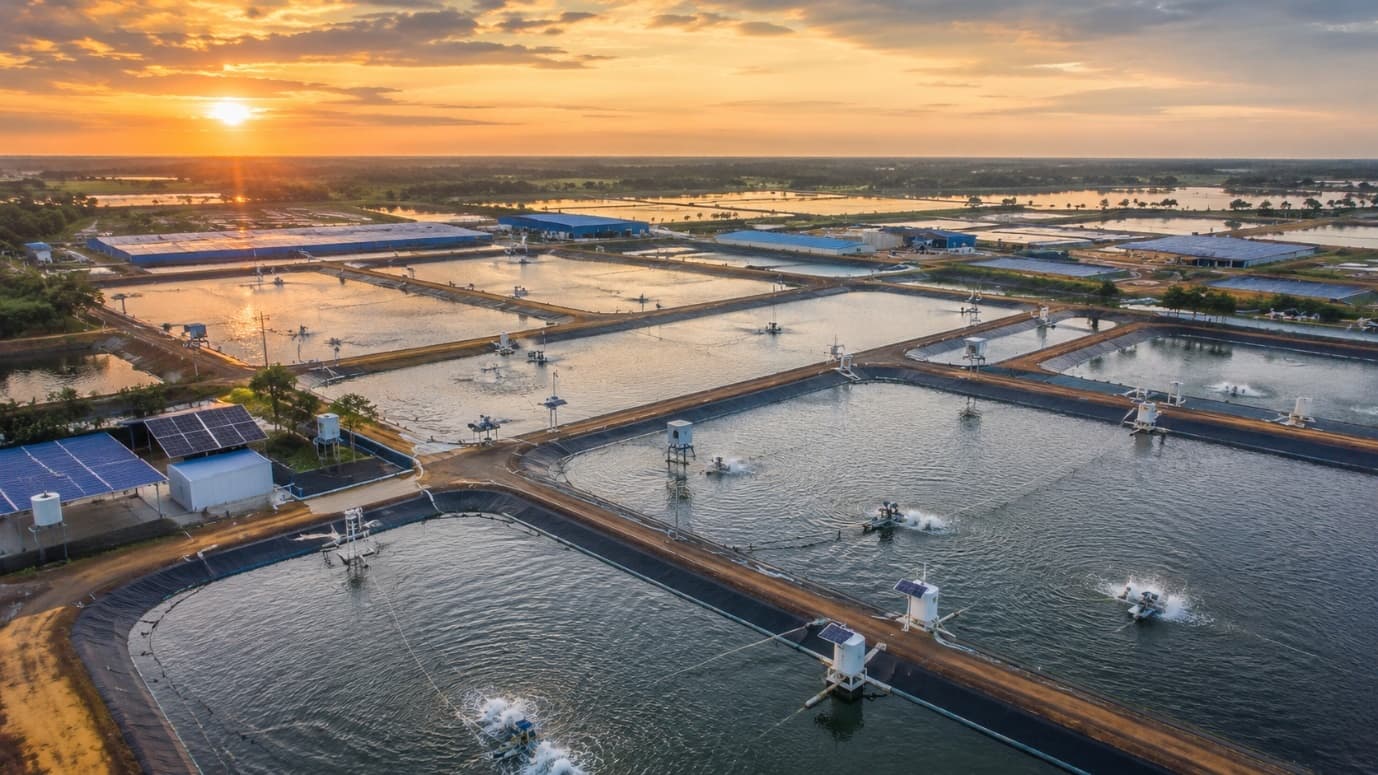
States such as Andhra Pradesh, Gujarat, Odisha, Tamil Nadu, and West Bengal have become important production hubs, contributing significantly to national seafood production.
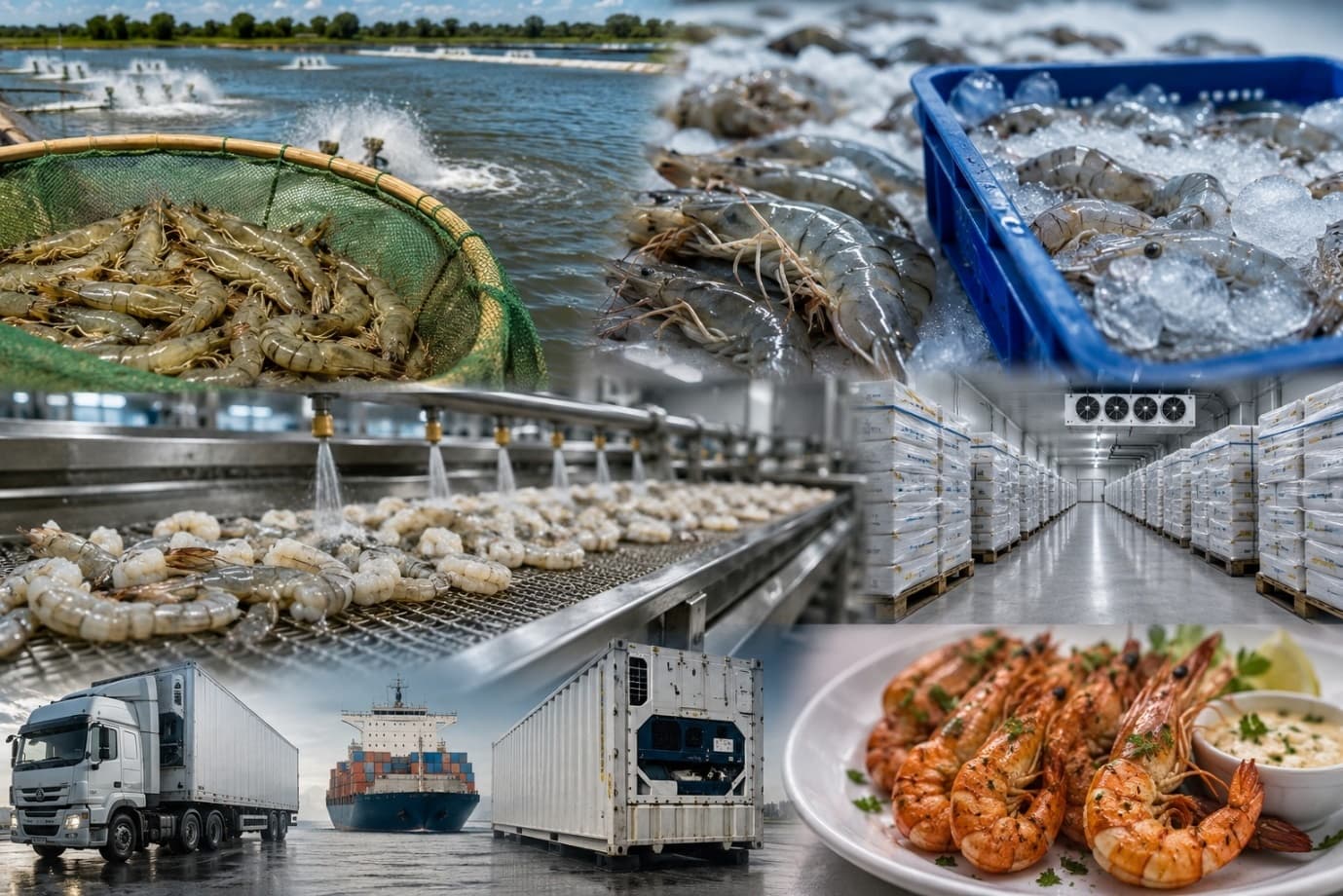
Today, the shrimp industry supports millions of livelihoods, including hatcheries, feed manufacturers, farmers, processors, exporters, transport companies, cold storage operators, and seafood retailers.
This integrated value chain has made India one of the most important players in the global seafood trade.
Global Leadership in Shrimp Exports
India has earned a strong reputation for producing high-quality shrimp that meets international food safety standards.
This global leadership in shrimp exports has been achieved through continuous improvements in farming practices, processing technology, quality assurance, traceability, and cold-chain infrastructure.
Shrimp contributes the largest share of India's seafood export earnings, generating billions of dollars in foreign exchange every year.
Despite increasing competition from countries such as Ecuador, Vietnam, Indonesia, and Thailand, India continues to maintain its position as one of the world's leading shrimp-exporting nations.
Maintaining this leadership will require continued investment in productivity, sustainability, and innovation.
Domestic Shrimp Consumption in India Is the Next Opportunity
Although India exports a large share of its shrimp production, domestic shrimp consumption in India remains relatively low.
This creates one of the biggest growth opportunities for the industry.
As incomes rise, urbanization increases, and consumers become more health conscious, demand for nutritious, high-protein foods is growing rapidly.
Shrimp fits perfectly into this trend because it is rich in protein, low in calories, and packed with essential vitamins and minerals.
Expanding domestic consumption would reduce dependence on export markets while creating additional opportunities for farmers, processors, retailers, restaurants, and online seafood businesses.
A stronger domestic market would make the industry more resilient during periods of global market uncertainty.
Innovation in Shrimp Farming
Technology is becoming one of the biggest drivers of innovation in shrimp farming.
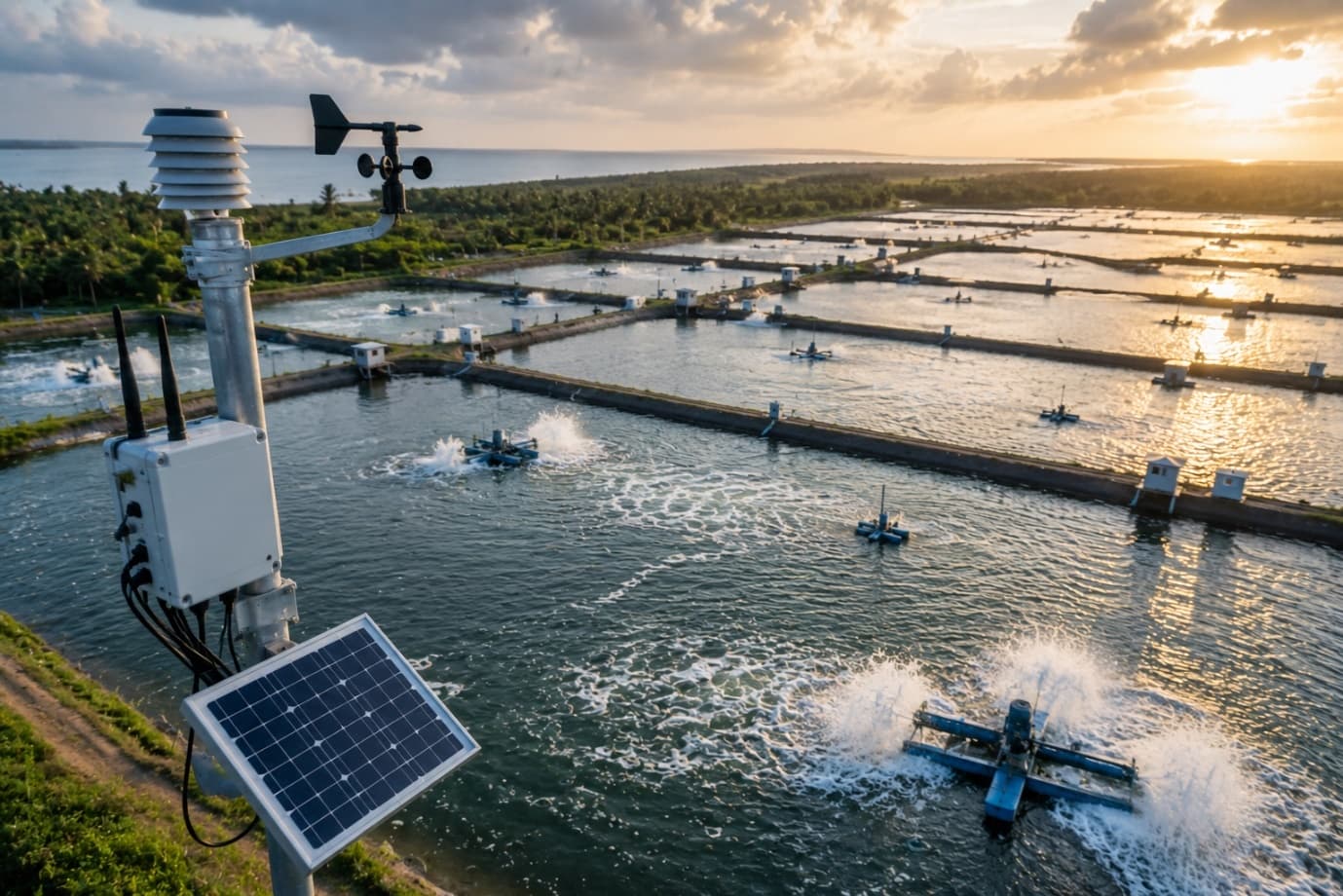
Modern shrimp farms increasingly use water quality sensors, automatic feeders, aeration systems, artificial intelligence, mobile applications, and digital farm management software to improve productivity.
These innovations help farmers monitor pond conditions in real time, reduce feed waste, improve water quality, and detect potential problems before they become serious.
Advanced hatchery technology, improved genetics, better disease diagnostics, and precision aquaculture are also contributing to higher survival rates and improved production efficiency.
Innovation is helping shrimp farming become smarter, more profitable, and environmentally responsible.
Technology in Indian Aquaculture
The future of technology in Indian aquaculture extends far beyond automated equipment.
Artificial Intelligence, Internet of Things (IoT) devices, cloud-based farm management systems, drones, satellite weather monitoring, and predictive analytics are beginning to change the way farms are managed.
These technologies enable farmers to make decisions based on real-time data rather than guesswork.
Digital tools can monitor dissolved oxygen, pH, salinity, temperature, ammonia, and feeding behaviour continuously, helping farmers respond quickly to changing pond conditions.
As technology becomes more affordable, it is expected to become a standard part of shrimp farming across farms of all sizes.
Building a Sustainable Shrimp Industry in India
Long-term success depends not only on higher production but also on responsible farming practices.
Creating a sustainable shrimp industry in India means balancing economic growth with environmental protection.
Responsible shrimp farming includes:
- Efficient water management.
- Biosecurity and disease prevention.
- Responsible feed management.
- Reduced waste generation.
- Improved energy efficiency.
- Better resource utilization.
- Compliance with food safety standards.
- Protection of surrounding ecosystems.
Consumers worldwide increasingly prefer seafood produced using sustainable methods, making responsible farming an important competitive advantage for India.
Indian Shrimp Market Trends
Several Indian shrimp market trends are expected to shape the industry's future.
Growing health awareness is increasing demand for seafood as a healthy protein source.
Online seafood delivery platforms are making shrimp more accessible in urban areas.
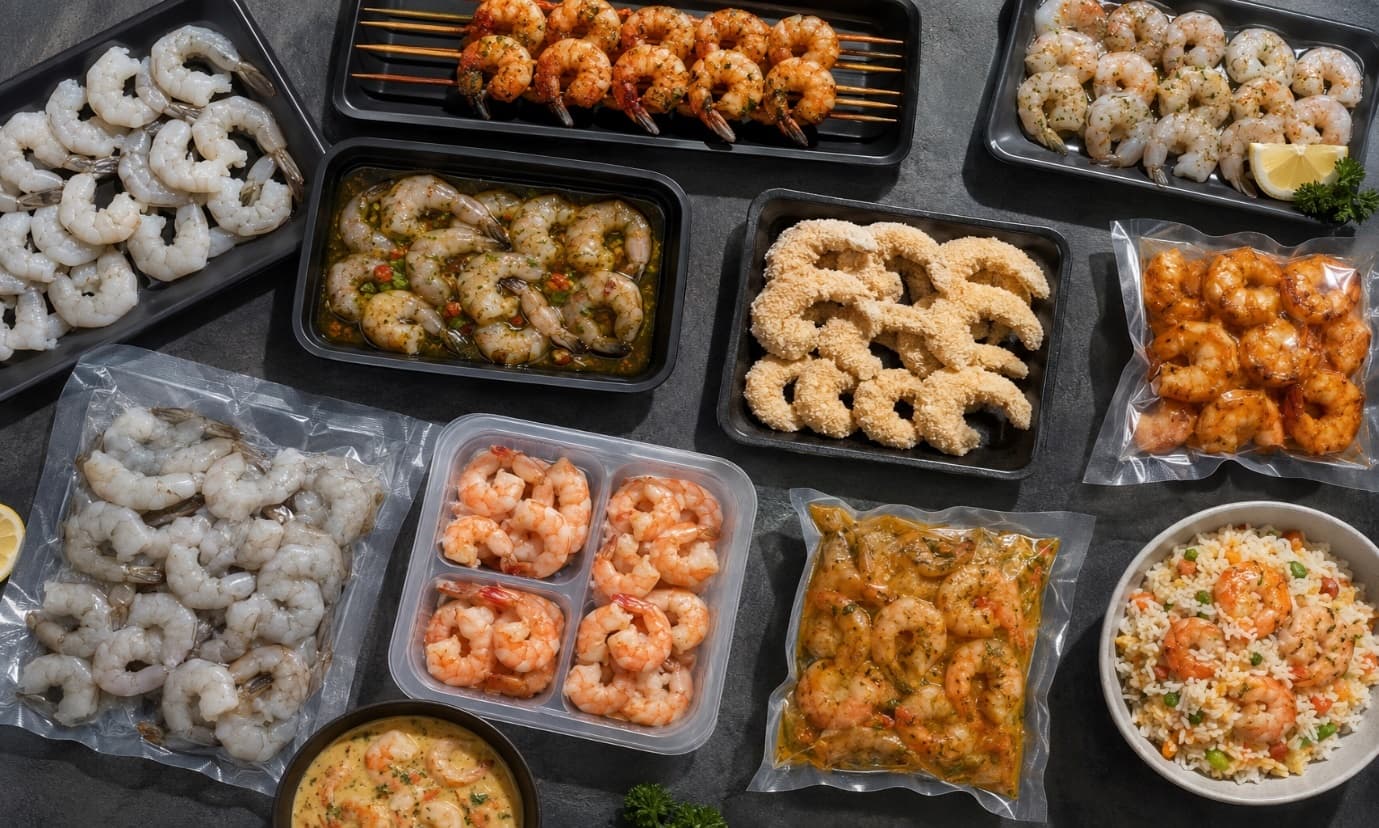
Ready-to-cook and value-added shrimp products are attracting busy consumers seeking convenience.
Cold-chain infrastructure continues to improve, allowing seafood to reach more inland markets.
At the same time, international buyers are demanding greater traceability, sustainability, and product quality.
These trends present opportunities for businesses willing to invest in innovation and consumer-focused products.
Opportunities in the Shrimp Industry
The future offers numerous opportunities in the shrimp industry.
Farmers can improve productivity through better farm management and technology adoption.
Processors can develop value-added products for domestic and export markets.
Retailers can expand seafood offerings through supermarkets and e-commerce platforms.
Technology companies can provide digital solutions for farm management, water quality monitoring, and precision aquaculture.
Researchers can continue improving shrimp genetics, disease prevention, nutrition, and sustainability.
Together, these opportunities create a stronger and more diversified industry.
Future Trends in Indian Aquaculture
Several future trends in Indian aquaculture are likely to define the next decade.
These include:
- Greater adoption of artificial intelligence.
- Precision aquaculture.
- Automated feeding systems.
- Smart water quality monitoring.
- Improved biosecurity.
- Climate-resilient farming practices.
- Sustainable production methods.
- Expansion of domestic seafood consumption.
- Growth of value-added seafood products.
- Increased investment in research and innovation.
These developments will help India remain globally competitive while supporting long-term industry growth.
Conclusion
The future of the Indian shrimp industry is full of opportunity. India has already established itself as one of the world's leading shrimp exporters, but the next phase of growth will depend on much more than export volumes.
Greater domestic shrimp consumption in India, continued innovation in shrimp farming, wider adoption of advanced technologies, and stronger sustainability practices will define the industry's future.
By combining scientific farming, digital innovation, responsible aquaculture, and expanding domestic demand, India can strengthen its position as a global seafood leader while creating greater opportunities for farmers, processors, exporters, technology providers, and consumers.
The future of Indian shrimp farming is not simply about producing more shrimp. It is about producing smarter, farming more sustainably, serving both domestic and international markets, and building an industry that remains globally competitive for generations to come.
With the right balance of innovation, sustainability, and market development, the Indian shrimp industry is well positioned to lead the future of global aquaculture.